
What is Zone 2 Training and Why is Everyone Talking About It?

Zone 2 training is getting a lot of attention because it sounds simple, feels almost too controlled, and promises something many people want: better endurance without constantly destroying themselves in the process. In a fitness culture that often celebrates intensity, Zone 2 asks a different question. What if the work that looks less dramatic is the work that helps you keep going?
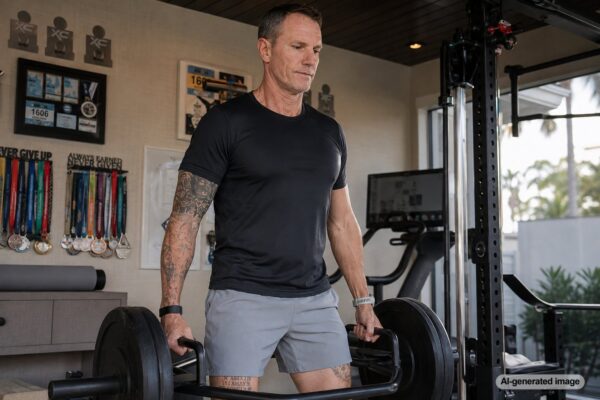
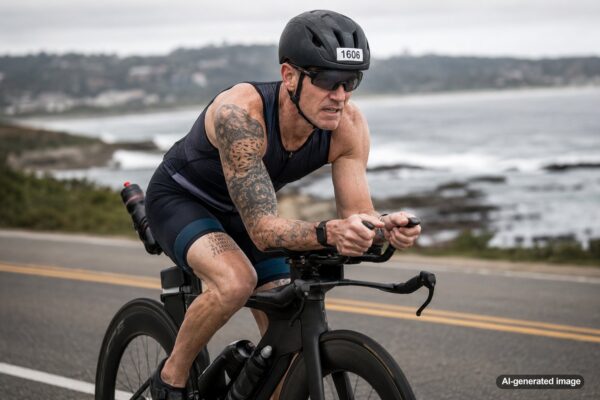
For endurance athletes, busy leaders, people rebuilding fitness, and anyone trying to stay consistent, that question matters. Greg Schaefer’s world brings together Ironman racing, business leadership, family, Parkinson’s advocacy, and the daily discipline of forward motion. Zone 2 fits naturally into that conversation because it is not about proving toughness every day. It is about building the engine that lets you show up again tomorrow. You can learn more about Greg’s broader story on the About Greg page.
Quick answer: What is Zone 2 training?
- Zone 2 training is steady, low-to-moderate intensity aerobic exercise that you can usually sustain for a long time.
- It often feels like a conversational pace: you can talk in short sentences, but you are still clearly working.
- It is popular because it may support aerobic endurance, recovery, metabolic efficiency, and long-term consistency.
- It is not magic, and it is not the only kind of training that matters.
- The real value is learning how to train with patience instead of turning every session into a personal test.
What Zone 2 actually means
Most people hear Zone 2 and immediately think about heart rate. That is part of it, but it is not the whole story. In a common five-zone model, Zone 2 sits above very easy movement and below harder tempo or threshold work. It is effortful enough to raise your breathing and heart rate, but controlled enough that you are not gasping, straining, or counting the minutes until it ends.
A simple field test is the talk test. If you can hold a conversation but would not want to sing, you are probably in the neighborhood of moderate aerobic work. If you can only get out a few words at a time, you are likely above it. Heart rate watches, power meters, treadmill pace, and cycling metrics can help, but they can also create false precision. Sleep, stress, medication, heat, dehydration, and fatigue can all change how a given pace feels.
In practical terms, Zone 2 usually looks like steady cycling, jogging, hiking, rowing, swimming, incline walking, or similar endurance work. The session should feel controlled, repeatable, and almost boring in the best possible way.
Why everyone is talking about it
Zone 2 has become popular for several reasons. Endurance athletes have used large amounts of lower-intensity training for decades because it allows them to accumulate volume without breaking down. Health and performance conversations have also brought more attention to aerobic capacity, mitochondrial function, fat oxidation, metabolic health, and longevity. Those are big topics, and Zone 2 often gets pulled into all of them.
The caution is that social media can flatten a nuanced idea into a shortcut. Zone 2 is useful, but it is not a secret code. It works best as part of a balanced training life, not as a replacement for strength work, mobility, rest, higher-intensity training when appropriate, and medical guidance when needed.
For someone like Greg, the lesson is less about chasing a trend and more about respecting the long game. There are days for pushing hard. There are also days when the smartest move is steady, patient, controlled work that keeps the system moving forward.
The overlooked value of going easier
A lot of people struggle with Zone 2 because it can feel humbling. Runners may need to slow down. Cyclists may need to stop chasing every rider ahead of them. Former athletes may realize that their easy pace is not what it used to be. High achievers may feel like a workout does not count unless it hurts.
That is exactly where Zone 2 can teach something deeper than physiology. It asks for restraint. It rewards consistency. It reminds you that capacity is not built only through force. Sometimes it is built through staying within yourself long enough to repeat the work over months and years.
In endurance sports, that matters because racing is not just about how hard you can go for one moment. It is about how well you manage energy, emotion, pacing, and recovery over time. In leadership and life, the same principle shows up in a different uniform. The people who last are not always the ones who sprint the hardest. They are often the ones who know how to keep moving without burning the whole system down.
How Zone 2 fits into a real training week
Zone 2 training can fit many schedules, but it should be scaled to the person. A new exerciser might start with brisk walking or easy cycling. A more experienced athlete might build longer sessions. Someone coming back from injury, illness, major stress, or a diagnosis should work with qualified professionals and make decisions based on their own health picture.
A balanced week might include several easier aerobic sessions, a couple of strength sessions, mobility work, and occasional higher-intensity efforts if the person is prepared for them. The exact mix depends on goals, history, age, recovery, and medical considerations. The mistake is treating Zone 2 like an all-or-nothing identity. It is a tool, not a religion.
Greg’s message of One More Step… Just One More is not about reckless intensity. It is about forward motion. Zone 2 reflects that same philosophy when done well: repeatable effort, honest pacing, and respect for the distance still ahead.
What people often get wrong about Zone 2
Common misunderstandings
- Going too hard: Many people turn Zone 2 into Zone 3 or higher because they are impatient.
- Going too easy: A casual stroll may be healthy movement, but it may not create the same training stimulus as controlled aerobic work.
- Trusting the watch too much: Wearables are helpful, but they are not perfect. Perceived effort still matters.
- Ignoring strength: Endurance matters, but muscle strength, balance, and durability matter too.
- Expecting instant results: Aerobic development takes time. The payoff comes from repetition.
Why it resonates beyond fitness
Zone 2 is having a moment because it gives language to something many people already sense: the sustainable path often feels less dramatic than the heroic one. It does not look as impressive as intervals. It does not photograph as well as a finish line. It does not give you the same immediate rush as an all-out effort.
But it builds something important. It builds the ability to stay in motion when the work is not glamorous. It builds trust in process. It gives people a way to train without turning every day into a referendum on their toughness.
That is why Zone 2 belongs in a broader conversation about endurance, resilience, leadership, and identity. The discipline to go easy when easy is right can be just as meaningful as the courage to go hard when hard is required.
FAQ
Is Zone 2 training just walking?
Sometimes, depending on your fitness level. For one person, Zone 2 may be a brisk walk. For another, it may be a steady run, ride, swim, or row. The key is the effort level, not the activity label.
How do I know if I am in Zone 2?
You should feel like you are working but still in control. A common guide is conversational pace: you can speak in sentences, but you would not want to sing. Heart rate data can help, but it should be interpreted alongside breathing, fatigue, and perceived effort.
Is Zone 2 better than high-intensity training?
Not necessarily. Zone 2 and higher-intensity training can serve different purposes. Zone 2 helps build steady aerobic capacity and repeatable volume. Higher-intensity work can improve other performance markers, but it also creates more stress and requires more recovery.
How often should someone do Zone 2?
It depends on fitness level, goals, recovery, and health status. Many people use Zone 2 several times per week, but the safest starting point is usually a manageable amount that can be repeated consistently.
Should people with medical conditions try Zone 2?
People with medical conditions, symptoms, new diagnoses, medication changes, or concerns about exercise tolerance should speak with a qualified healthcare professional before changing their training routine. Educational fitness concepts should never replace individualized medical advice.
The bottom line
Zone 2 training is popular because it offers a practical reminder: not every meaningful effort has to be maximal. Done well, it can support endurance, recovery, and consistency while teaching patience in a world that often rewards noise.
For athletes, leaders, families, and anyone trying to keep moving through challenge, that lesson has value. Build the engine. Respect the pace. Keep showing up. One more step… just one more.
Interested in bringing Greg’s message to your event or organization?
Learn more about Greg’s speaking work or get in touch to start the conversation.
Contact Greg or learn more about the Forward Motion Fund.
This article is for educational purposes only and is not medical advice. For diagnosis, treatment, or personalized medical guidance, please speak with a qualified healthcare professional.