
Why is Parkinson’s on the Rise?
Parkinson’s is being talked about more because more people are living with it, more families are recognizing it, and more researchers are looking closely at why the numbers appear to be growing. The answer is not one simple cause. Parkinson’s is complex, and its rise reflects a mix of aging populations, improved recognition, possible environmental contributors, longer survival, and better public awareness.
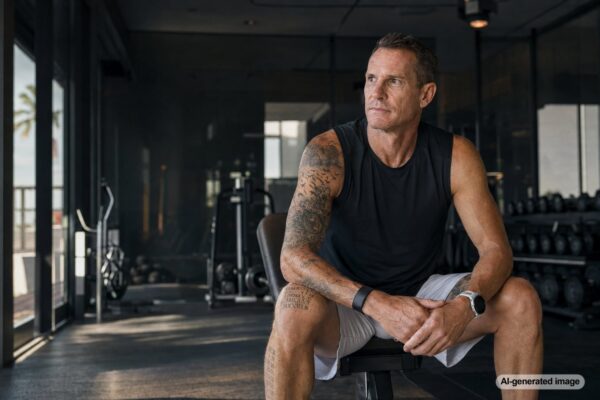
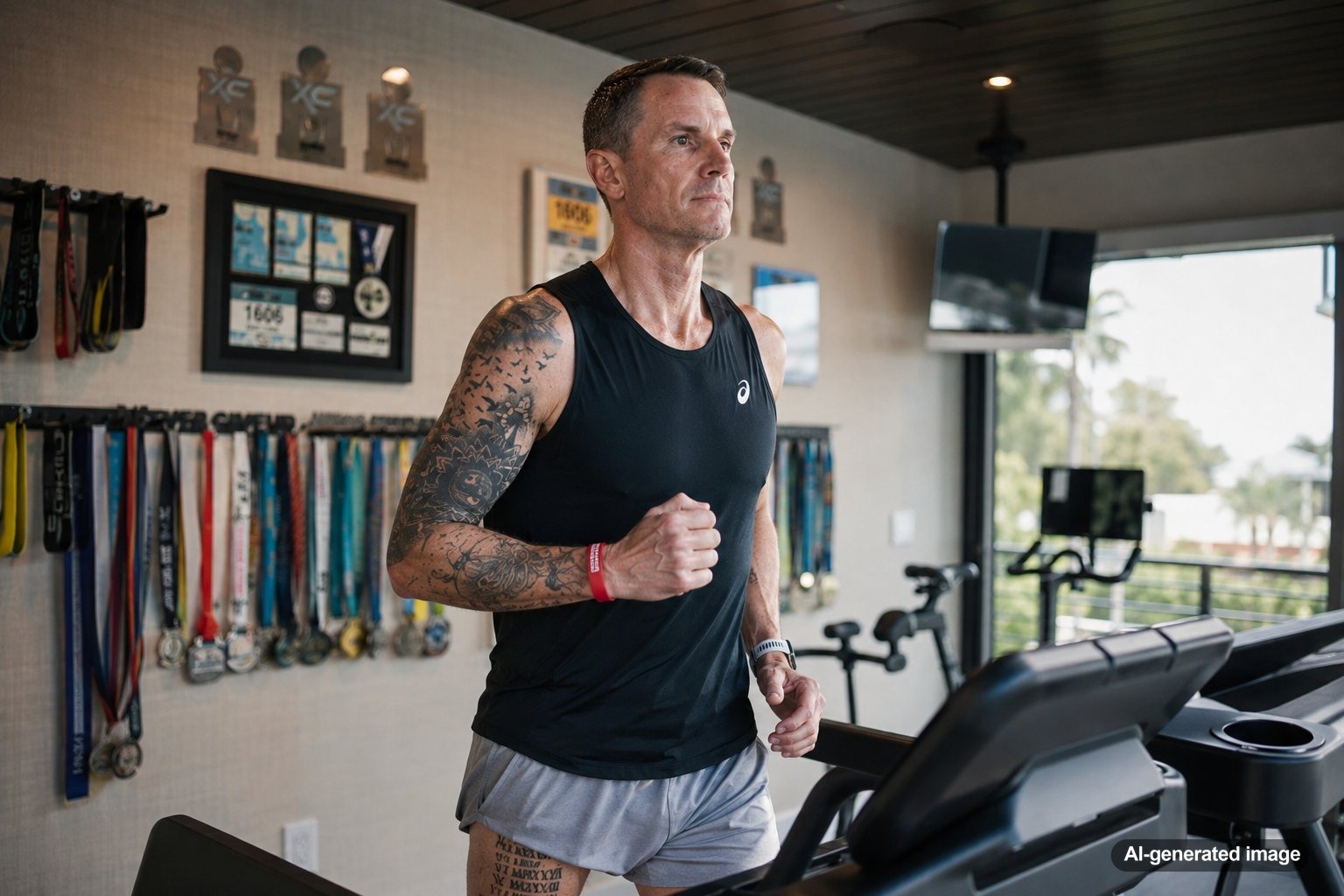
For Greg Schaefer, this topic is not abstract. As a dad, husband, CEO, speaker, 20-time Ironman, and someone living with Young-Onset Parkinson’s, Greg’s work sits at the intersection of lived experience, endurance, leadership, advocacy, and forward motion. His story, shared through Greg’s background and his speaking work, points to a larger truth: awareness matters, research matters, and no one should have to navigate this disease in isolation.
Quick answer: Why Parkinson’s appears to be rising
- People are living longer. Parkinson’s becomes more common with age, so an aging population naturally increases the number of people affected.
- Diagnosis and awareness have improved. More people, including some younger adults, may now be identified earlier or more accurately than in the past.
- Environmental exposures are under greater scrutiny. Researchers continue to study possible links involving pesticides, solvents, metals, air pollution, and other exposures.
- Better survival can increase prevalence. When people live longer with Parkinson’s, the total number of people living with the disease at one time can rise.
- The full answer is still being studied. Parkinson’s usually reflects a combination of factors rather than a single cause.
Aging is one major part of the picture
Parkinson’s can affect younger adults, including people diagnosed with Young-Onset Parkinson’s, but age remains one of the strongest known risk factors. As the population grows older, more people reach the age range where Parkinson’s becomes more common. That does not mean Parkinson’s is simply a normal part of aging. It is not. It means that population-level trends can make the disease more visible and more common in the healthcare system.
This distinction matters. When people hear that Parkinson’s is rising, it can sound as if every individual risk is suddenly changing in the same way. The reality is more layered. Part of the increase may come from demographic change: more people are living long enough to be diagnosed. Another part may come from changes in exposure, detection, survival, and reporting.
Better recognition may be revealing cases that used to be missed
Parkinson’s is not always obvious at first. Early signs can be subtle: changes in movement, stiffness, tremor, balance, handwriting, smell, sleep, mood, voice, or energy. Some symptoms can overlap with other conditions or be dismissed as stress, aging, injury, or fatigue.
As awareness improves, more people may seek evaluation sooner. Clinicians may also be better equipped to recognize patterns that were once missed or misclassified. This does not fully explain the rise, but it is part of the story. A diagnosis that might have been delayed years ago may now happen earlier, which can make prevalence numbers increase.
Environmental risk factors are an important area of research
Parkinson’s researchers have long studied the relationship between genetics, environment, and individual vulnerability. The Parkinson’s Foundation notes that Parkinson’s likely results from a combination of genetic and environmental factors, including certain toxins, head injuries, and chemical exposures. Environmental risks under study include pesticides, some metals, solvents, and other contaminants.
One reason this topic gets attention is that Parkinson’s does not behave like a disease explained only by inherited genetics. For many people, there is no single known genetic cause. That makes environmental research especially important, not because every case can be traced to one exposure, but because patterns across communities, occupations, and exposures may help scientists understand risk more clearly.
Some of the most discussed exposures include certain pesticides, industrial solvents such as trichloroethylene, and other environmental contaminants. These links are not the same as a simple cause-and-effect guarantee. They are research signals that deserve serious attention, stronger public-health scrutiny, and continued study.
Prevalence can rise even when the disease is not fully understood
When people ask why Parkinson’s is rising, they often want a single clean answer. But prevalence is shaped by several forces at once. More diagnoses can increase prevalence. Longer survival can increase prevalence. Aging populations can increase prevalence. Environmental exposures may also influence risk, though the size and nature of that influence can vary by exposure, population, geography, and study design.
That complexity should not make the issue feel hopeless. It should make the response more serious. A complicated disease requires better research, earlier recognition, stronger support systems, and more honest conversations about what families actually face.
Why Young-Onset Parkinson’s changes the conversation
Parkinson’s is often associated with older adults, but Young-Onset Parkinson’s can affect people in the middle of active careers, parenting, marriage, leadership, and athletic life. That changes the practical and emotional reality of the diagnosis. A younger person may still be raising children, running a business, training, working, speaking, building, and trying to keep identity intact while managing an uncertain disease.
Greg’s story brings that reality into focus. He was diagnosed in 2023 at age 48 after a year of uncertainty and pain, then returned to the start line in May 2024 and continued moving forward. That does not make Parkinson’s simple. It does not turn the disease into a slogan. It shows that a person can face a hard diagnosis while still being a father, husband, leader, athlete, advocate, and whole human being.
What people often miss about the rise of Parkinson’s
One overlooked point is that awareness can feel like increase. When more people speak openly about Parkinson’s, more families recognize symptoms, more communities organize, and more stories enter public view. That visibility is not a problem. Silence was the problem.
Another overlooked point is that research is not only about medication. It is also about prevention, exposure reduction, caregiver support, exercise science, quality of life, adaptive athletics, mental resilience, and public policy. The more society understands Parkinson’s, the better positioned we are to support people living with it today while pushing toward better answers for tomorrow.
Practical takeaways for readers and families
- Do not self-diagnose from a symptom list. If you are concerned about movement, tremor, stiffness, balance, or other changes, speak with a qualified healthcare professional.
- Pay attention to patterns, not panic. Symptoms that persist, progress, or interfere with daily life deserve evaluation.
- Support research and advocacy. The rise of Parkinson’s is not only a medical issue. It is a family, workplace, community, and public-health issue.
- Remember the support system. Partners, caregivers, children, friends, coworkers, and teammates are often affected too.
- Keep the person bigger than the diagnosis. Parkinson’s may change parts of life, but it does not erase identity, purpose, leadership, love, or contribution.
FAQ
Is Parkinson’s really increasing?
Many public-health and Parkinson’s organizations report that the number of people living with Parkinson’s is increasing. The reasons are likely multifactorial, including aging populations, improved recognition, longer survival, and possible environmental contributors.
Does aging explain the entire rise?
No. Aging is a major factor, but researchers continue to study whether other contributors, including environmental exposures and changing patterns of risk, may also be involved.
Can Parkinson’s be caused by one exposure?
In most cases, Parkinson’s cannot be traced to one clear cause. Risk may involve a combination of genetic susceptibility, environmental exposure, age, and other factors. A qualified medical professional can provide guidance for individual concerns.
Why does Young-Onset Parkinson’s matter?
Young-Onset Parkinson’s affects people earlier in life, often while they are still raising families, building careers, leading teams, and pursuing major goals. It reminds us that Parkinson’s is not only an older-adult issue.
What can people do with this information?
People can learn the signs, support research, advocate for safer environments, strengthen support systems, and approach Parkinson’s with seriousness without reducing anyone to their diagnosis.
Interested in bringing Greg’s message to your event or organization?
Learn more about Greg’s speaking work or get in touch to start the conversation.
Contact Greg or learn more about the Forward Motion Fund.
This article is for educational purposes only and is not medical advice. For diagnosis, treatment, or personalized medical guidance, please speak with a qualified healthcare professional.