

Why Zone 2 Training Is The Secret To Athletic Longevity
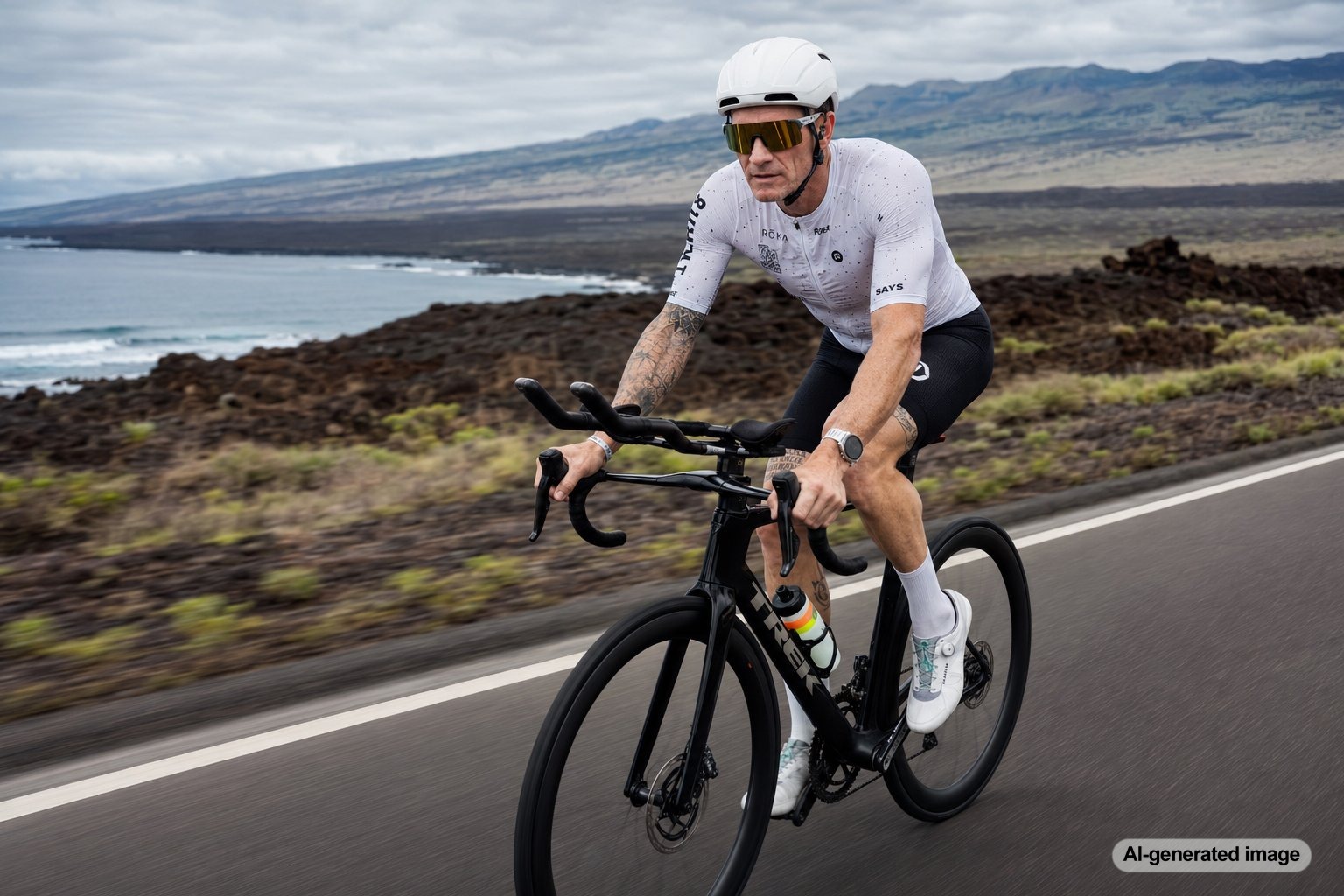
Athletic longevity is not built only in the hard sessions. It is built in the quiet miles, the patient rides, the controlled efforts, and the discipline to train below the ego line. Zone 2 training has become a common phrase in endurance circles, but its real value is not trendy. It is practical, sustainable, and deeply connected to the kind of fitness that can last.
For athletes who want to keep moving for decades, not just one season, Zone 2 matters because it teaches the body and the mind how to work without constantly breaking down. It is not soft training. It is disciplined training. For someone like Greg Schaefer, whose story lives at the intersection of endurance, business, family, Parkinson’s advocacy, and forward motion, that lesson reaches far beyond a heart rate zone.
Quick Answer: Why Zone 2 Training Supports Athletic Longevity
- It builds the aerobic base that supports longer efforts and better endurance.
- It reduces the need to make every workout hard, which can help athletes stay more consistent.
- It supports recovery by allowing meaningful training without the same stress load as high-intensity sessions.
- It teaches patience, which is one of the most underrated traits in long-term athletic growth.
- It can fit into a larger health and performance plan, especially when balanced with strength, mobility, rest, and professional guidance when needed.
What Zone 2 Training Actually Means
Zone 2 training generally refers to low-to-moderate intensity aerobic work. In practical terms, it is the pace where you can still speak in short sentences, your breathing is steady, and you feel like you could keep going for a long time. It is not a sprint. It is not a sufferfest. It is controlled effort.
Many athletes measure Zone 2 by heart rate, power, pace, or perceived effort. The exact range varies by person, fitness level, age, medications, health status, heat, fatigue, sleep, and stress. That is why the point is not to chase a perfect number every day. The point is to train with enough control that the session builds capacity instead of constantly demanding survival.
In endurance sports, this matters because the aerobic system is the foundation. It helps support long runs, long rides, open-water swims, brick sessions, and race-day patience. A stronger foundation does not make every workout easy, but it gives harder work somewhere to stand.
The Longevity Advantage: Less Drama, More Consistency
One of the biggest mistakes athletes make is believing that progress must always feel dramatic. Harder, faster, longer, more intense. That mindset can create short-term gains, but it can also create a cycle of fatigue, soreness, missed sessions, and frustration.
Zone 2 training works differently. It rewards consistency over intensity theater. It allows athletes to accumulate useful training volume while keeping the body from living in a constant state of strain. For aging athletes, busy professionals, parents, founders, and anyone managing real-life stress, that distinction is enormous.
Longevity in sport is rarely about who can suffer the most on a random Tuesday. It is about who can keep showing up. The athlete who can train steadily, recover honestly, and stack month after month of smart work often has an advantage over the athlete who burns bright and disappears.
Why Easy Does Not Mean Unimportant
Zone 2 can feel humbling because it often asks athletes to slow down. For runners, that may mean watching pace drop. For cyclists, it may mean resisting the urge to surge up every hill. For competitive personalities, it may feel almost too controlled to matter.
That is exactly why it matters. The ability to stay within the right effort is a form of discipline. It asks the athlete to choose the purpose of the workout over the emotional reward of proving something. In that sense, Zone 2 is physical training and mindset training at the same time.
There is also a practical benefit: controlled aerobic work can make training feel more repeatable. Instead of needing several days to recover from every session, athletes can often return to training with more steadiness. That does not mean Zone 2 removes the need for rest. It means it can help create a rhythm that supports long-term participation.
What Athletes Often Miss About Zone 2
What people often miss
- Zone 2 is not a replacement for all intensity. Speed, hills, strength, and race-specific work still have a place.
- It is not about being slow forever. It is about building the engine that makes faster work more sustainable.
- It takes honesty. If every Zone 2 session turns into a tempo workout, the athlete loses the purpose of the day.
- It works best as part of a complete plan. Sleep, strength, nutrition, mobility, stress, and medical guidance all matter.
The most overlooked part of Zone 2 is restraint. Many athletes know how to push. Fewer know how to hold back with intention. But the athletes who last often understand that not every session can be a test. Some sessions are deposits.
How Zone 2 Builds Mental Toughness Differently
Mental toughness is often associated with grit, pain, and refusing to quit. There is truth in that, but it is incomplete. Long-term resilience also requires patience, self-awareness, and the willingness to do quiet work without applause.
Zone 2 training builds that kind of toughness. It asks athletes to keep moving without the adrenaline of intensity. It creates space for reflection. It teaches pacing. It reminds the athlete that progress can be invisible before it becomes obvious.
For endurance athletes, this lesson shows up on race day. The athlete who understands controlled effort is less likely to panic early, chase someone else’s pace, or spend energy too soon. The same lesson applies in leadership, business, family, advocacy, and life with uncertainty: not every moment is solved by going harder. Sometimes the answer is to keep moving with control.
Where Zone 2 Fits For Endurance Athletes
For runners, Zone 2 may show up as easy mileage, recovery runs, or long aerobic sessions. For cyclists, it may be steady riding where the effort feels controlled and repeatable. For triathletes, it may become the backbone of the week: swim, bike, and run sessions that build volume without turning every discipline into a battle.
The best use of Zone 2 is intentional. A Zone 2 day should not become a secret race against last week’s pace. It should have a clear purpose: build aerobic capacity, support recovery, create consistency, and prepare the body for the sessions that do need intensity.
That balance is especially important for athletes with full lives. Work pressure, travel, parenting, caregiving, health challenges, and stress all count. The body does not separate training stress from life stress as cleanly as a spreadsheet does. Sustainable training respects the whole person.
Practical Ways To Use Zone 2 Without Overcomplicating It
Start by choosing one or two sessions each week where the goal is control, not speed. Use the talk test, perceived effort, heart rate, or guidance from a coach or clinician when appropriate. If you finish feeling like you could have done more, that may be a sign you understood the assignment.
Next, protect the purpose of the workout. If the plan is Zone 2, avoid turning it into a progression run because you felt good. Save that energy for the days designed for intensity. Over time, the quiet discipline of staying controlled can become one of the strongest habits in an athlete’s toolkit.
Finally, remember that training should be adjusted for the person. Age, health history, medications, Parkinson’s symptoms, injury history, heat, sleep, and recovery all matter. For anyone living with a medical condition or returning after a major health change, a qualified healthcare professional or experienced coach can help shape a safer, more personalized approach.
The Bigger Lesson: One More Step, Done Wisely
Zone 2 training fits naturally with the idea of forward motion because it is not about one heroic effort. It is about the next sustainable step. The next steady mile. The next controlled ride. The next honest choice to train in a way that supports tomorrow, not just today.
That is a powerful message for athletes, leaders, teams, and anyone navigating adversity. Longevity is not built by pretending there are no limits. It is built by understanding the limits, respecting them, and still moving forward.
On the surface, Zone 2 is a training tool. Underneath, it is a philosophy: build the base, stay patient, protect the long game, and keep showing up with purpose.
Frequently Asked Questions About Zone 2 Training
Is Zone 2 training only for endurance athletes?
No. Endurance athletes often use it heavily, but many active people can benefit from controlled aerobic work. The exact approach should match the person’s goals, health, and fitness level.
Should every workout be Zone 2?
No. Zone 2 is valuable, but it is not the entire picture. Strength training, mobility, rest, skill work, and some higher-intensity training may all have a place depending on the athlete.
How do I know if I am really in Zone 2?
Many athletes use heart rate, power, pace, or perceived effort. A simple clue is the talk test: you should usually be able to speak in short sentences without gasping. For more precision, a coach or exercise professional can help.
Can Zone 2 training help with recovery?
It can be part of a recovery-supportive training plan because it is generally lower stress than hard intervals or race-pace sessions. Still, it is training, and the body still needs rest, sleep, nutrition, and smart scheduling.
Is Zone 2 training appropriate for people with Parkinson’s?
Exercise can be an important part of many Parkinson’s care plans, but needs vary widely. Anyone living with Parkinson’s should speak with a qualified healthcare professional before making major training changes, especially if symptoms, medications, balance, fatigue, or safety are concerns.
Interested in bringing Greg’s message to your event or organization?
Learn more about Greg’s speaking work or get in touch to start the conversation.
Contact Greg or learn more about the Forward Motion Fund.
This article is for educational purposes only and is not medical advice. For diagnosis, treatment, or personalized medical guidance, please speak with a qualified healthcare professional.


