
Why Parkinson’s Is Just Another Race To Be Run
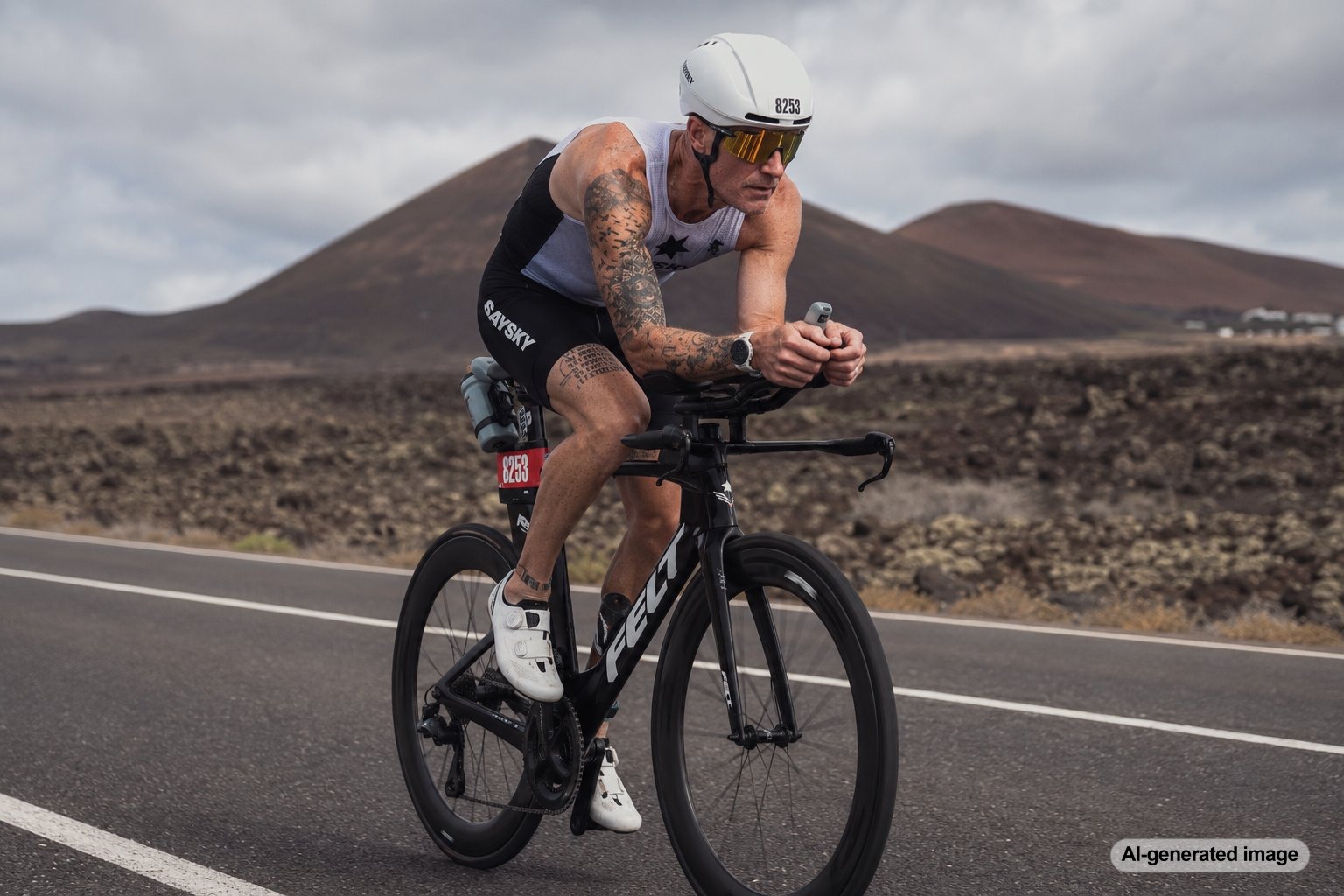
Parkinson’s is not a race anyone signs up for. There is no clean start line, no predictable course map, and no finish banner waiting at the end. For many people, the first miles are confusing: symptoms that do not fully make sense, appointments that raise as many questions as answers, and a private reckoning with what life may look like now.
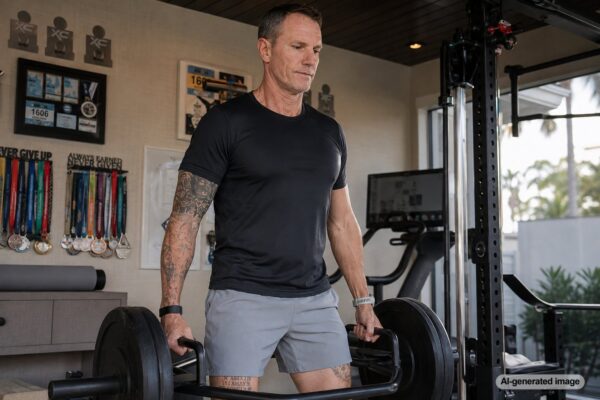
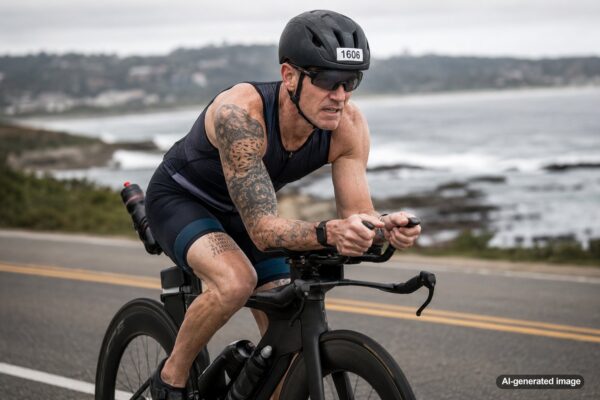
Still, the race metaphor matters because it brings Parkinson’s back into human scale. A race is not only about speed. It is about pacing, discipline, adaptation, support, setbacks, and the decision to keep moving when the next step asks more than the last one did. For Greg Schaefer, a dad, husband, CEO, motivational speaker, and 20-time Ironman living with Young-Onset Parkinson’s, that idea is not a slogan. It is a lived practice. You can learn more about Greg’s broader story on his About page.
Quick answer: Why can Parkinson’s be viewed as another race to be run?
- Because it requires pacing rather than panic.
- Because the course can change, and adaptation becomes part of the work.
- Because support systems matter as much as individual toughness.
- Because progress is often measured in small, meaningful steps.
- Because identity can remain bigger than a diagnosis.
The race begins before anyone feels ready
In endurance sports, a race rarely goes exactly as planned. Weather shifts. Nutrition fails. Muscles rebel. The body sends messages the athlete did not ask for. Parkinson’s can feel similar in one important way: it introduces uncertainty into places that once felt familiar.
Parkinson’s disease is a neurological condition that can affect movement and non-movement functions, and the experience can vary widely from person to person. Young-Onset Parkinson’s adds another layer because it often arrives during years filled with career responsibility, parenting, marriage, leadership, and long-term plans. The practical challenge is not only, “What is happening to my body?” It is also, “How do I keep showing up for the life I have built?”
That is where the race comparison becomes useful. It does not minimize the disease. It does not pretend that mindset alone changes biology. Instead, it gives a person a framework for staying engaged: gather information, build the right team, manage energy, adjust the plan, and keep moving through the next section of road.
Pacing matters more than pretending
One of the first lessons in endurance racing is that early overconfidence can become expensive later. The athlete who refuses to respect the distance often pays for it. Parkinson’s asks for a similar kind of honesty. Denial can look strong from the outside, but it rarely creates sustainable forward motion.
Pacing may mean learning when to push and when to recover. It may mean making space for medical appointments, physical activity, sleep, stress management, family conversations, and honest check-ins. It may also mean understanding that some days will require a different definition of success.
This is not weakness. It is strategy. In a long race, the strongest competitors are not the ones who ignore every signal. They are the ones who listen, adapt, and make decisions that allow them to continue.
The course can change without ending the race
A diagnosis can make people feel as if a door has slammed shut. In reality, many people find themselves rebuilding their course rather than abandoning it. The route may change. The pace may change. The support crew may become more important. But the race is still being run.
For Greg, returning to the start line in May 2024 after a year of uncertainty and pain was not about proving Parkinson’s did not matter. It mattered. It still matters. The point was different: life had not been reduced to the diagnosis. Family, business leadership, endurance, purpose, advocacy, and faith in the next step still belonged in the story.
That distinction is important. Parkinson’s should never be used as a simple inspiration device. The more meaningful lesson is that hardship can become part of a larger identity without becoming the whole identity.
Support is part of the endurance equation
Every long-distance athlete understands that the person crossing the finish line is rarely the only person who made the finish possible. There are family members, friends, coaches, volunteers, medical professionals, training partners, and quiet encouragers who help carry the day.
Parkinson’s is no different. Support can include clinicians, therapists, family, friends, caregivers, community groups, and organizations focused on research, education, advocacy, and adaptive athletic opportunity. For some families, support also means learning how to talk about uncertainty without letting it dominate every conversation.
This is one of the overlooked truths of resilience: it is not always loud. Sometimes it looks like a spouse asking a better question. A friend showing up without needing the perfect words. A child seeing effort instead of fear. A community choosing not to let someone walk the course alone.
One more step is not a cliche when the step is real
The phrase “One More Step… Just One More” carries weight because it does not promise an easy road. It narrows the focus to the most honest unit of progress: the next step. That can matter in racing, in business, in family life, and in living with Parkinson’s.
One more step might be getting to a workout when motivation is low. It might be making the appointment, asking for support, speaking honestly with a loved one, adjusting expectations, or choosing purpose on a difficult day. Small steps do not erase hard things. They create movement inside them.
That idea also shaped the Forward Motion Fund, which supports Parkinson’s research, partner and caregiver support, challenged athletes, and youth and education initiatives through mission-aligned organizations. The fund reflects a belief that forward motion is personal, but it can also become communal.
What people often miss about the race metaphor
- It is not about beating Parkinson’s. Language that turns illness into a simple win-or-lose battle can place unfair pressure on people. The better frame is endurance, adaptation, and support.
- It is not about constant positivity. Real resilience leaves room for grief, frustration, uncertainty, and fatigue.
- It is not only physical. Parkinson’s can affect more than movement, and many people also navigate emotional, social, family, and identity changes.
- It is not a solo event. Care partners, family, friends, clinicians, advocates, and communities can all be part of the course.
Lessons from endurance that apply far beyond racing
The endurance mindset is not reserved for athletes. Leaders need it when the market changes. Parents need it when family life becomes complicated. Teams need it when pressure reveals weak points. Anyone facing adversity needs some version of it when the old plan no longer fits the road ahead.
Endurance teaches that discipline is built before the hardest miles arrive. It teaches that preparation matters, but flexibility matters too. It teaches that nobody is above difficulty, and nobody gets through the longest distances on talent alone.
That is why Greg’s story speaks to more than Parkinson’s audiences. It connects with organizations, teams, leaders, athletes, families, and communities because the central question is universal: What do we do when life gives us a race we did not choose?
The answer is not to pretend it is easy. The answer is to become more honest, more prepared, more connected, and more committed to the next right step.
FAQ
Does viewing Parkinson’s as a race mean ignoring the medical reality?
No. The race metaphor should never replace medical care or factual understanding. It is a mindset and resilience framework, not a treatment plan. For medical guidance, diagnosis, or treatment decisions, speak with a qualified healthcare professional.
Is exercise important for people with Parkinson’s?
Many Parkinson’s organizations discuss physical activity as part of living well with the condition, but individual needs vary. A clinician or qualified professional can help determine what is appropriate for a person’s situation, ability, symptoms, and safety needs.
Why does Young-Onset Parkinson’s create unique challenges?
Young-Onset Parkinson’s often arrives when people are still deeply engaged in work, parenting, marriage, long-term planning, and active identity. That can create emotional and practical challenges beyond the symptoms themselves.
How can friends or family support someone living with Parkinson’s?
Support can start with listening, staying present, avoiding pity language, respecting the person’s independence, and asking what would actually help. Reliable presence often matters more than perfect words.
How does Greg connect this message to speaking and advocacy?
Greg’s message brings together business leadership, endurance sports, family, Parkinson’s, advocacy, and mission-driven impact. His work is not about a generic motivational message. It is about earned resilience and forward motion in real life.
Interested in bringing Greg’s message to your event or organization?
Learn more about Greg’s speaking work or get in touch to start the conversation.
Contact Greg or learn more about the Forward Motion Fund.
This article is for educational purposes only and is not medical advice. For diagnosis, treatment, or personalized medical guidance, please speak with a qualified healthcare professional.