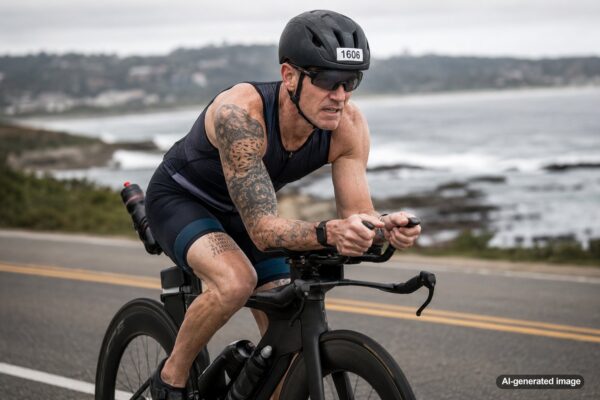
How To Align Parkinson’s Prescription Dosage Schedules With High Volume Athletics
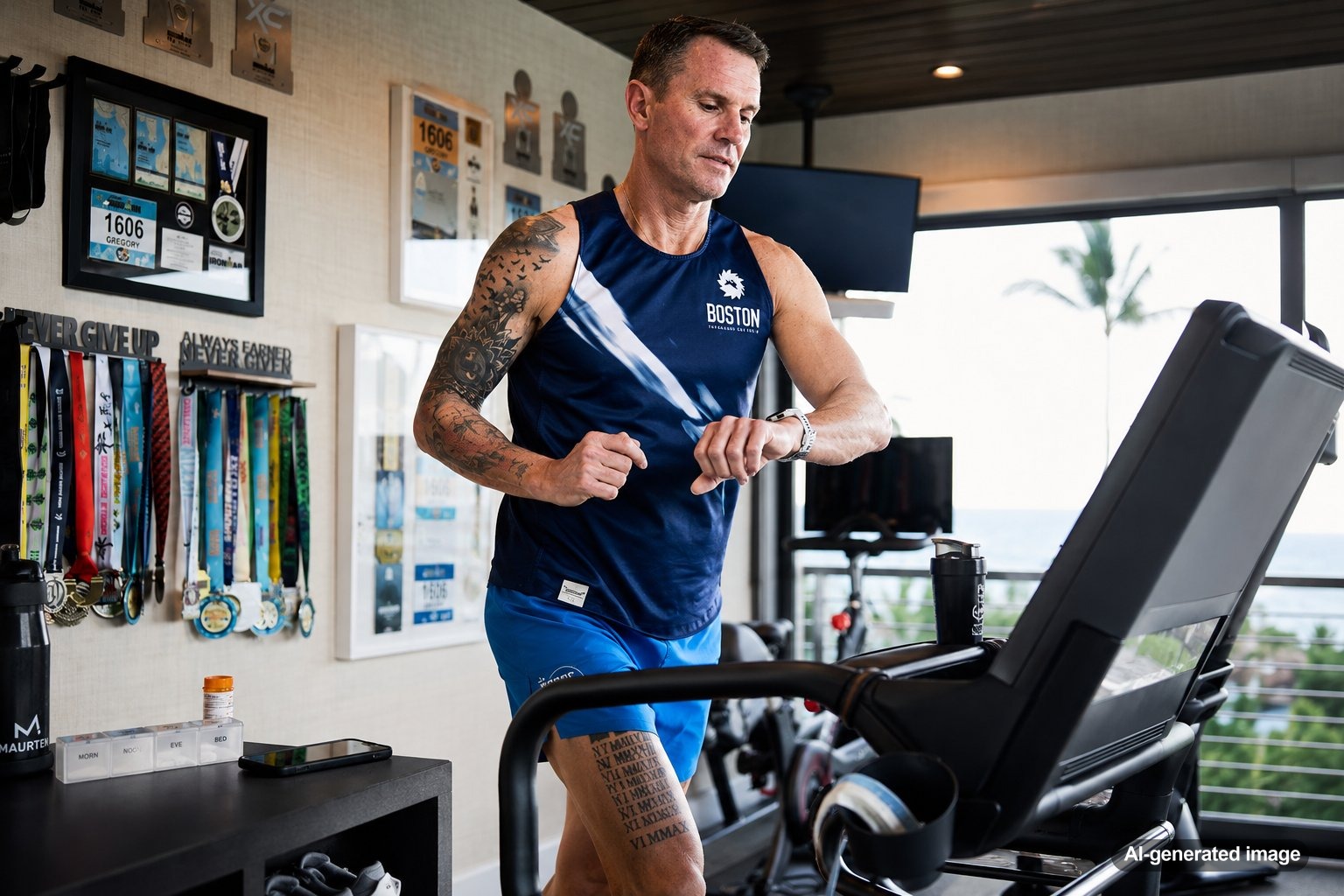
Training at a high level with Parkinson’s is not just about miles, watts, strength sessions, or discipline. It is also about timing. For many athletes living with Parkinson’s, the difference between a strong session and a difficult one may come down to how movement symptoms, medication windows, nutrition, sleep, heat, hydration, stress, and recovery all line up on a given day.
Aligning Parkinson’s prescription dosage schedules with high volume athletics should always be done with a neurologist or movement disorder specialist. The goal is not to self-adjust medication around workouts. The goal is to become a better observer, bring better information to appointments, and build a training rhythm that respects both performance and health. That kind of grounded, forward-moving discipline is part of the larger message behind Greg Schaefer’s story: keep moving, but do it with wisdom.
Quick answer
- Do not change Parkinson’s medication timing or dosage on your own. Bring training patterns, symptom notes, and race goals to your clinician.
- Track when symptoms return or worsen. Many people describe this as “off” time, and it can affect training quality, safety, and confidence.
- Plan demanding sessions around your most predictable movement windows. This should be based on your lived patterns and medical guidance, not guesswork.
- Account for food, hydration, sleep, heat, travel, and recovery. Medication timing is only one part of the performance picture.
- Build a race-day medication plan before race week. Long events require rehearsal, not last-minute improvisation.
Why medication timing matters for athletic volume
Parkinson’s symptoms can fluctuate throughout the day. Some people experience periods when medication is working well and movement feels more reliable. Others may notice stiffness, slowness, tremor, fatigue, anxiety, or reduced coordination as medication wears off. In Parkinson’s care, these returning or worsening symptoms are often called “off” time.
For a high volume athlete, off time can show up in very practical ways. A run may feel smooth for the first half and then suddenly become awkward. A bike workout may be strong in the warmup but lose rhythm during intervals. A swim may feel calm on one day and mechanically difficult on another. Strength training may feel safe and controlled at one hour of the day, then rushed or unstable later.
This does not mean an athlete should chase perfect conditions. Endurance sports are built on adapting. But Parkinson’s adds another layer: medication timing can become part of training architecture, just like fueling, pacing, sleep, mobility, and recovery.
Start with the medical team, not the training calendar
The first rule is simple: prescription dosage schedules belong in the hands of qualified clinicians. A neurologist or movement disorder specialist can help evaluate whether timing, dose spacing, medication type, side effects, dyskinesia, sleep issues, gastrointestinal changes, or other factors may be affecting daily function.
An athlete’s job is not to self-prescribe. An athlete’s job is to bring useful information. Instead of saying, “My workouts feel inconsistent,” it is more helpful to report patterns such as:
- What time medication was taken
- When movement felt most reliable
- When symptoms returned or intensified
- What type of training was performed
- Whether food, protein intake, dehydration, heat, poor sleep, or stress may have played a role
- Whether the issue appeared during easy training, high intensity work, long sessions, or recovery days
That kind of information gives the care team something concrete to work with. It also helps the athlete separate medication-related patterns from ordinary training fatigue.
Build a symptom and training log that is useful, not obsessive
A log does not have to be complicated. In fact, the best version is often the one an athlete will actually use. The goal is to connect medication timing, symptoms, and training response without turning life into a spreadsheet of anxiety.
A practical log might include five quick notes: medication time, workout time, workout type, symptom quality, and any obvious context. For example: “7:00 a.m. dose