

How Community Foundations Foster Youth Character Development Through Cycling Access Programs
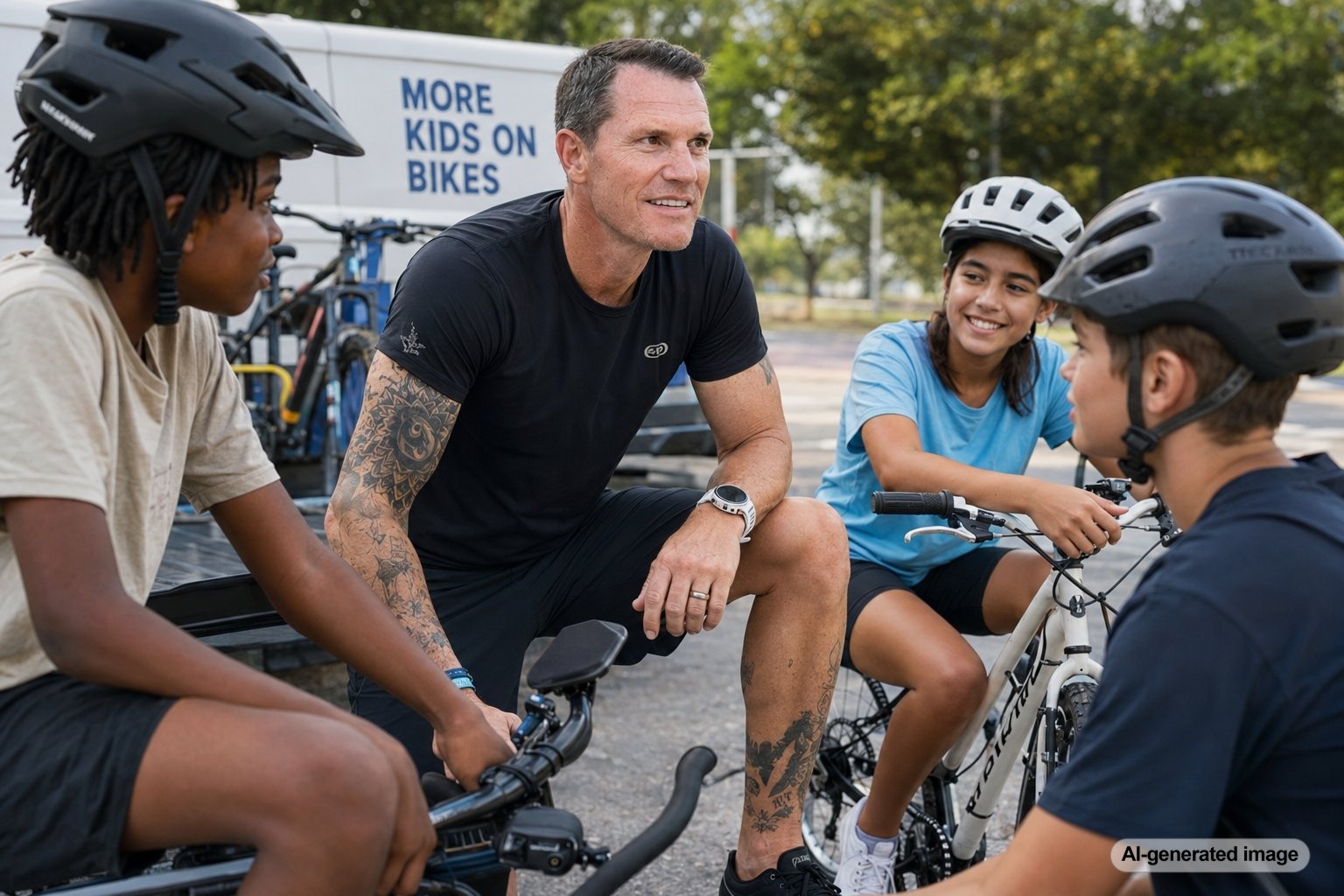
Community foundations often sit close enough to local needs to see what young people are missing and connected enough to help bring the right people together. When cycling access programs are done well, they are not just about giving kids bikes. They can become structured opportunities for responsibility, confidence, discipline, teamwork, and belonging.
For a mission-driven brand like Greg Schaefer’s work, that connection matters. Cycling is movement, but it is also a classroom. A young person who learns how to care for a bike, ride safely, show up for a group ride, and push through a hard hill is learning more than a sport. They are practicing character in motion.
Quick answer
- Community foundations can help youth cycling programs by funding bikes, helmets, repairs, transportation, coaching, and safe places to ride.
- The character development happens through structure, not just access: showing up, learning safety, helping peers, caring for equipment, and setting goals.
- Cycling can support confidence because progress is visible. A young rider can feel the difference between day one and week eight.
- The best programs connect cycling to mentoring, family support, education, and community pride.
- When designed thoughtfully, these programs can help young people experience forward motion in a very real, practical way.
Access is the first character lesson
For many young people, the barrier is not a lack of interest. It is cost, storage, transportation, safe routes, adult supervision, or simply not knowing where to begin. Community foundations can help close those gaps by supporting the practical parts that make participation possible.
That may include bikes, helmets, lights, maintenance supplies, adaptive equipment, trail access, coaching, or partnerships with schools, parks departments, youth organizations, and local bike shops. These pieces may sound logistical, but they shape the emotional experience of the young rider. A child who receives a properly fitted helmet, a safe bike, and patient instruction is being told, in a concrete way, that their safety and effort matter.
That message can be powerful. Access done with dignity does not feel like charity. It feels like invitation.
Why cycling can build responsibility
Cycling asks young people to care for something beyond the moment. A bike has to be checked. Tires need air. Brakes matter. A helmet has to be worn correctly. Riders have to pay attention to traffic, trail etiquette, weather, hydration, and the people around them.
Those habits can become small but meaningful lessons in responsibility. Instead of being told abstractly to “be accountable,” a young person has to practice accountability before every ride. Did they bring water? Did they check their chain? Did they listen to the ride leader? Did they stay with the group?
That is one reason cycling access programs can work best when they include more than one-time bike giveaways. The deeper character development usually comes through repeated participation, coaching, repair clinics, group rides, and mentoring relationships.
Confidence grows when progress is visible
One of cycling’s strengths is that progress can be felt. A route that seemed impossible in the first week may become manageable later. A young rider who was nervous about shifting, braking, or riding near others can begin to move with more control.
That kind of progress matters because confidence is not built by slogans. It is built by evidence. The rider knows, “I can do something today that I could not do before.” That lesson can travel beyond the bike.
For some young people, cycling may also offer a healthier relationship with challenge. A hard ride is not failure. A steep climb is not punishment. It is a place to practice patience, pacing, and the decision to keep moving.
Group rides teach teamwork without a lecture
Youth cycling programs can create natural opportunities for teamwork. Riders learn how to stay aware of others, communicate hazards, wait at regroup points, encourage newer participants, and respect different ability levels.
In a strong program, the fastest rider is not automatically the best leader. Sometimes leadership looks like helping a younger rider fix a dropped chain, reminding a friend to drink water, or slowing down so the group stays together. Those moments teach character in a way that feels lived rather than preached.
Community foundations can strengthen this part of the work by supporting programs that include trained adults, peer leadership, consistent expectations, and a culture where every rider has a role.
What people often miss about cycling access programs
- Equipment is only the beginning. A bike matters, but coaching, maintenance, safety education, and ongoing community matter too.
- Safe routes shape participation. A young person may have a bike but no safe way to ride regularly. Partnerships around trails, parks, and protected spaces can be essential.
- Mentorship makes the experience stick. Young riders often need adults and older peers who model patience, consistency, and respect.
- Family trust matters. Parents and caregivers are more likely to support participation when communication, safety, and supervision are clear.
- Repair skills build agency. Learning to adjust a seat, patch a tube, or clean a chain can help young people feel capable and resourceful.
Community foundations can connect the right partners
The best youth programs usually do not happen in isolation. A community foundation can help bring together schools, local nonprofits, health and recreation partners, bike shops, civic leaders, donors, coaches, volunteers, and families.
That role is important because cycling access involves many moving parts. A school may know which students would benefit. A bike shop may know how to repair donated bikes. A parks department may understand safe routes. A youth organization may already have trusted relationships with families. A foundation can help align those strengths around a shared goal.
That shared goal should be bigger than participation numbers. It should include belonging, consistency, safety, skill-building, and long-term confidence.
How this connects to forward motion
Forward motion is not only an endurance idea. It is a youth development idea. A young person does not need to ride across a finish line to understand the feeling of taking one more step, one more pedal stroke, one more try.
That is where cycling programs can become especially meaningful. They give young people a physical way to experience perseverance. They also show that progress can be supported by community. The rider may be the one pedaling, but the path is often made possible by many people working together.
For mission-aligned supporters, the Forward Motion Fund reflects a similar belief: movement can become a bridge between challenge, purpose, and community impact.
Practical signs of a strong youth cycling access program
- It provides safe, properly fitted bikes and helmets.
- It teaches riding skills, road or trail awareness, and equipment care.
- It includes consistent adult supervision and clear behavior expectations.
- It offers repeated participation rather than only a one-day event.
- It creates roles for peer leadership and encouragement.
- It considers transportation, storage, family communication, and safe routes.
- It treats young people with dignity and high expectations.
FAQ
Do youth cycling programs need to be competitive to build character?
No. Competition can be valuable for some young riders, but character development does not require racing. Group rides, repair clinics, skills sessions, service projects, and personal goal-setting can all teach discipline, responsibility, and resilience.
Why are community foundations well suited to support these programs?
Community foundations often understand local needs and relationships. They can help fund practical resources, connect partners, support long-term planning, and make sure the program is built around the real barriers young people face.
How can cycling support confidence in young people?
Cycling gives young people visible proof of progress. When a rider learns a new skill, completes a longer route, fixes a small mechanical issue, or helps a teammate, confidence grows through experience.
What should donors look for before supporting a cycling access program?
Look for programs that emphasize safety, coaching, inclusion, equipment care, consistency, and youth leadership. The strongest programs are not only distributing bikes. They are building a supportive environment around the rider.
Interested in bringing Greg’s message to your event or organization?
Learn more about Greg’s speaking work or get in touch to start the conversation.
Contact Greg or learn more about the Forward Motion Fund.
This article is for educational purposes only and is not medical advice. For diagnosis, treatment, or personalized medical guidance, please speak with a qualified healthcare professional.


