Best Motivational Keynotes Detailing Career Success Despite Chronic Illness Realities
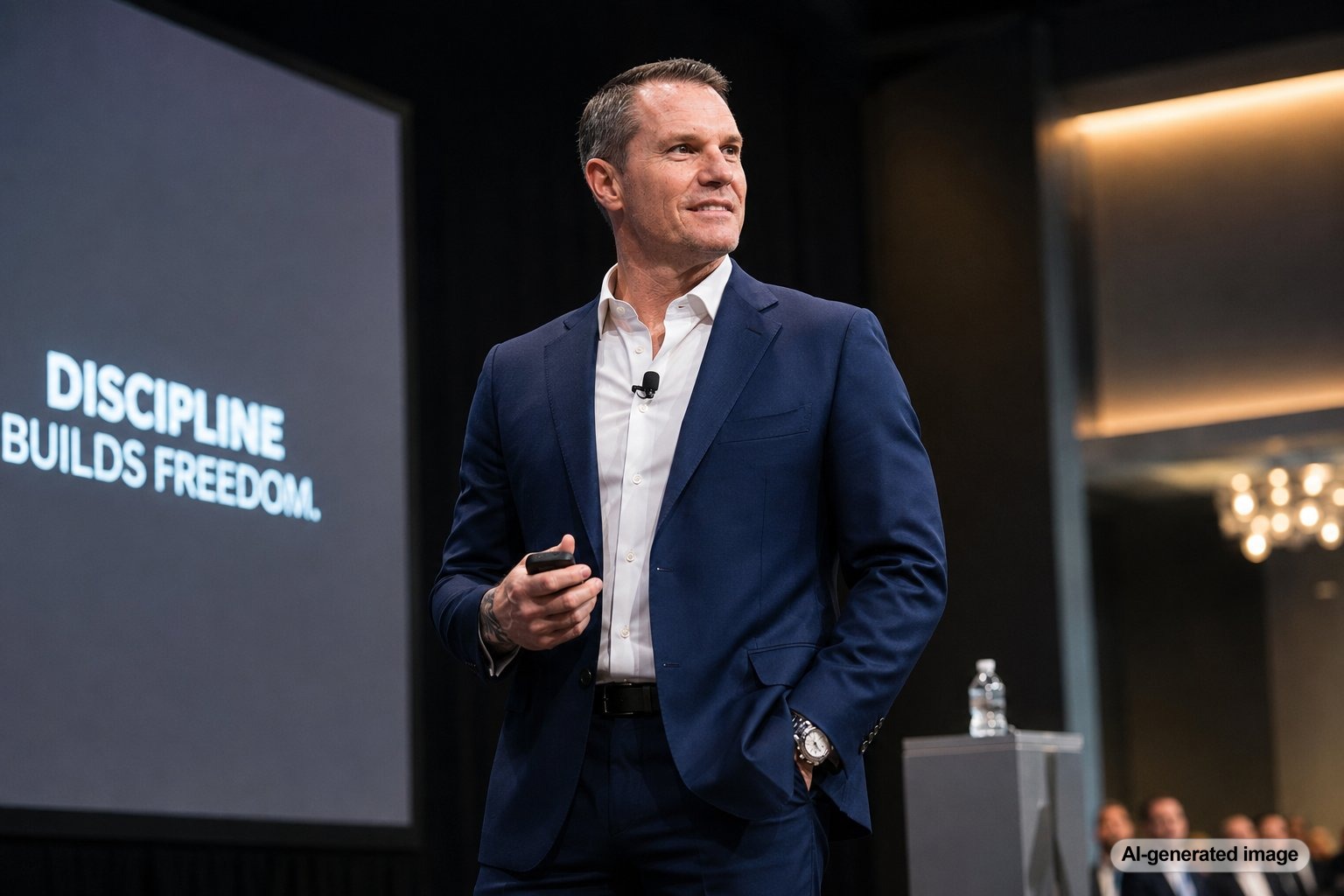
The strongest motivational keynotes about career success despite chronic illness do not pretend that grit makes hard realities disappear. They work because they tell the truth: careers, leadership, family life, health, and identity can collide in ways no one planned. A meaningful keynote helps an audience face that collision with more courage, more clarity, and less shame.
For organizations, these talks can be especially powerful when the speaker has lived the balance between ambition and limitation, discipline and uncertainty, public achievement and private adjustment. Greg Schaefer brings that kind of perspective through the combined lens of entrepreneurship, endurance sports, family, Young-Onset Parkinson’s, and forward motion. Learn more about his speaking work and the lived mission behind his platform.
Quick answer
- The best keynotes on this topic are honest about illness without making illness the whole story.
- They connect personal adversity to practical leadership lessons, not vague inspiration.
- They help teams understand that career success can include adaptation, support, stamina, and identity change.
- They avoid pity, overpromising, and simple win-or-lose language.
- They leave audiences with usable takeaways for resilience, performance, communication, and purpose.
What makes this kind of keynote different?
A keynote about career success despite chronic illness has to carry more weight than a standard motivational speech. It is not just about overcoming a hard moment, achieving a goal, or pushing through discomfort. Chronic illness can be ongoing, unpredictable, private, and deeply personal. That changes the message.
The best talks do not frame health challenges as a tidy obstacle on the way to achievement. They show how people continue to build meaningful careers while managing uncertainty, energy, symptoms, decisions, and identity. That kind of message resonates beyond the medical diagnosis itself. Leaders hear it as a lesson in adaptability. Teams hear it as a lesson in empathy and performance. People facing their own private challenges hear it as permission to keep moving without pretending everything is easy.
Career success is not only about uninterrupted momentum
Many professional cultures quietly reward the appearance of being untouched by hardship. The ideal leader is often imagined as always available, always composed, always climbing, and always in control. Chronic illness complicates that story.
A strong keynote can help reframe success as something more mature. Success may include adjusting how you work, asking better questions, protecting energy, communicating with the right people, or redefining what strength looks like in a new season. It can also include continuing to lead, build, speak, parent, train, advocate, and contribute while carrying a reality that is not visible to everyone in the room.
That distinction matters. The goal is not to lower standards. It is to understand that high performance and human reality are not opposites. In fact, the leaders who learn to adapt under pressure often develop a deeper kind of credibility.
Why lived credibility matters
Audiences can usually tell the difference between a polished story and an earned one. When a speaker has built a business, faced a diagnosis, returned to competition, supported a family, and turned personal adversity into mission-driven impact, the message carries a different kind of authority.
Greg’s story includes career achievement, endurance discipline, family commitment, and life with Young-Onset Parkinson’s. That blend helps keep the message balanced. It is not only a Parkinson’s story. It is not only an Ironman story. It is not only a business story. The power comes from the intersection of all of it: the executive decisions, the race-day mindset, the medical uncertainty, the home life, the advocacy, and the choice to take one more step.
For event planners, that balance is important. A keynote should serve the audience, not just showcase the speaker. The best chronic illness and career resilience talks make room for people in the room to see their own pressures reflected, whether they are managing a diagnosis, supporting someone they love, leading through burnout, or trying to stay effective during a season of change.
Key themes that make the message useful
Motivational keynotes in this space work best when they move beyond inspiration and into practical meaning. A few themes tend to matter most.
- Adaptability without surrender: Chronic illness may require changes, but change is not the same as defeat.
- Identity beyond achievement: A career can matter deeply without becoming the only measure of a person’s worth.
- Communication and timing: Decisions about what to share, when to share it, and with whom can be personal and complex.
- Support systems: No one sustains hard things alone. Families, partners, colleagues, clinicians, coaches, and communities can all matter.
- Purpose under pressure: Hard realities can clarify what deserves energy and what no longer does.
These themes are especially relevant for leaders because they connect personal resilience to organizational culture. A team that understands adaptation, communication, and support is usually better equipped to navigate change of any kind.
What audiences often remember
People may walk into a keynote expecting a story about toughness. They often leave remembering something more specific: a line about uncertainty, a moment of honesty, a decision to keep showing up, or a practical reminder that strength can be quiet.
For some audience members, the message may apply to health. For others, it may apply to leadership, grief, family pressure, reinvention, career transition, or the invisible burdens people carry into work every day. That is why the best talks on chronic illness and career success are not narrow. They are human.
A strong keynote does not ask everyone to become an endurance athlete or entrepreneur. It asks a more useful question: what is the next right step when the path has changed?
How this topic supports healthier workplace conversations
Chronic illness can raise complicated workplace questions. Some people wonder how much to disclose. Some worry about being underestimated. Some want accommodations but are unsure how to begin the conversation. Some continue working at a high level while privately managing symptoms, treatment schedules, fatigue, or uncertainty.
A keynote cannot replace legal, medical, or human resources guidance, but it can make a room more thoughtful. It can help leaders remember that employees are whole people. It can help teams understand that privacy, dignity, and performance can coexist. It can also encourage a culture where asking for support is not treated as weakness.
That is a valuable message for executives, sales teams, healthcare groups, nonprofit communities, athletic organizations, and companies trying to build cultures with more resilience and trust.
Choosing the right speaker for this message
If you are planning an event around resilience, leadership, adversity, health, or mission-driven performance, look for a speaker who can do more than tell a dramatic story. The right speaker should be able to connect personal experience to your audience’s real world.
- Can the speaker talk about adversity without making the audience feel manipulated?
- Can they connect resilience to leadership, decision-making, family, purpose, and work?
- Do they understand the difference between hope and hype?
- Can they speak with warmth while still respecting the seriousness of chronic illness?
- Will the audience leave with language and takeaways they can actually use?
Those questions matter because this topic deserves care. Done well, it can be one of the most memorable sessions on a conference agenda. Done poorly, it can feel generic or emotionally simplistic.
Bottom line
The best motivational keynotes detailing career success despite chronic illness realities are not about pretending the hard thing is easy. They are about showing how people keep building, leading, loving, training, serving, and adapting when life changes the terms.
That is the heart of forward motion. Not perfection. Not denial. Not a clean finish line where every problem disappears. Just the decision to keep taking the next step with honesty, discipline, humility, and purpose. To explore more of Greg’s story and mission, visit the About Greg page.
FAQ
Who is this kind of keynote best suited for?
It can fit leadership conferences, healthcare events, corporate meetings, nonprofit gatherings, athletic communities, sales organizations, and teams navigating change. The topic is especially strong when an event needs a message that is both emotionally grounded and practically relevant.
Is the keynote only about Parkinson’s?
No. Parkinson’s is part of Greg’s lived reality, but the broader message connects business leadership, endurance, family, resilience, identity, and mission-driven impact. That balance helps the keynote reach people with many different life experiences.
Can a chronic illness keynote still be energizing?
Yes, when it is handled with honesty and care. The energy should come from truth, momentum, and practical courage, not from minimizing the difficulty of illness or turning it into a simple inspirational slogan.
What should event planners look for in this type of speaker?
Look for lived credibility, emotional intelligence, practical takeaways, and a tone that respects both achievement and vulnerability. The speaker should be able to serve the room, not just tell a personal story.
Interested in bringing Greg’s message to your event or organization?
Learn more about Greg’s speaking work or get in touch to start the conversation.
Contact Greg or learn more about the Forward Motion Fund.
This article is for educational purposes only and is not medical advice. For diagnosis, treatment, or personalized medical guidance, please speak with a qualified healthcare professional.