
How Long Does It Take to Finish an Ironman?
Most people who ask how long it takes to finish an Ironman are not really asking for one number. They are asking what the day demands, how much room there is between starting and finishing, and what it feels like to keep moving when the clock is still running.
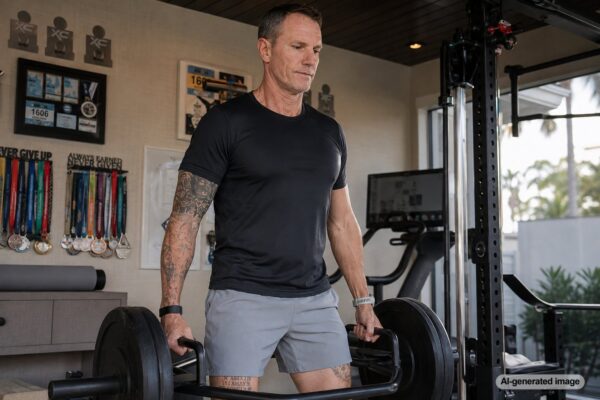
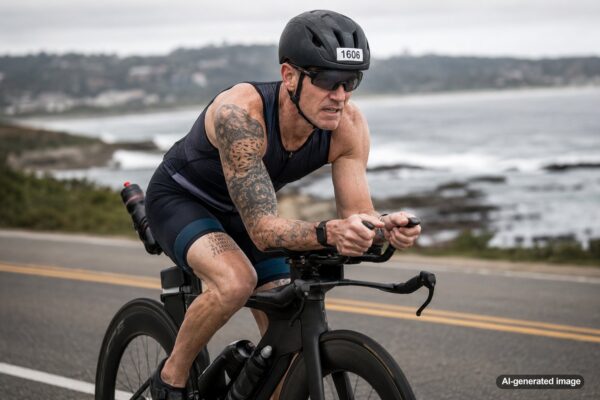
A full-distance Ironman covers 140.6 miles: a 2.4-mile swim, a 112-mile bike ride, and a 26.2-mile marathon run. Many finishers land somewhere in the 12- to 17-hour range, but the answer depends on experience, course conditions, weather, pacing, nutrition, and how well the athlete manages the inevitable rough patches. For Greg Schaefer, a 20-time Ironman, the distance is not only a test of fitness. It is a lesson in patience, discipline, and forward motion.
That mindset is central to Greg’s story as a dad, husband, CEO, endurance athlete, speaker, and Parkinson’s advocate. You can learn more about his journey on the About Greg page.
Quick answer: how long does an Ironman take?
- Typical age-group finish range: Many athletes finish between about 12 and 17 hours.
- Overall race cutoff: Full-distance Ironman events commonly use a 17-hour total cutoff, though athletes should always check the rules for their specific race.
- Faster finishers: Experienced age-group athletes may finish closer to 10 to 12 hours, while elite professionals can be much faster.
- First-time finishers: Many first-timers focus less on speed and more on steady pacing, fueling, problem solving, and making the cutoff.
- The real answer: An Ironman takes as long as it takes to move well, manage the day, and keep making the next decision.
What makes up the total Ironman time?
An Ironman finish time includes more than swim, bike, and run splits. It also includes two transitions, where athletes change gear, manage nutrition, apply sunscreen, handle equipment, and reset mentally for the next part of the race.
The distance usually breaks down this way:
- Swim: 2.4 miles
- Bike: 112 miles
- Run: 26.2 miles
- Total: 140.6 miles
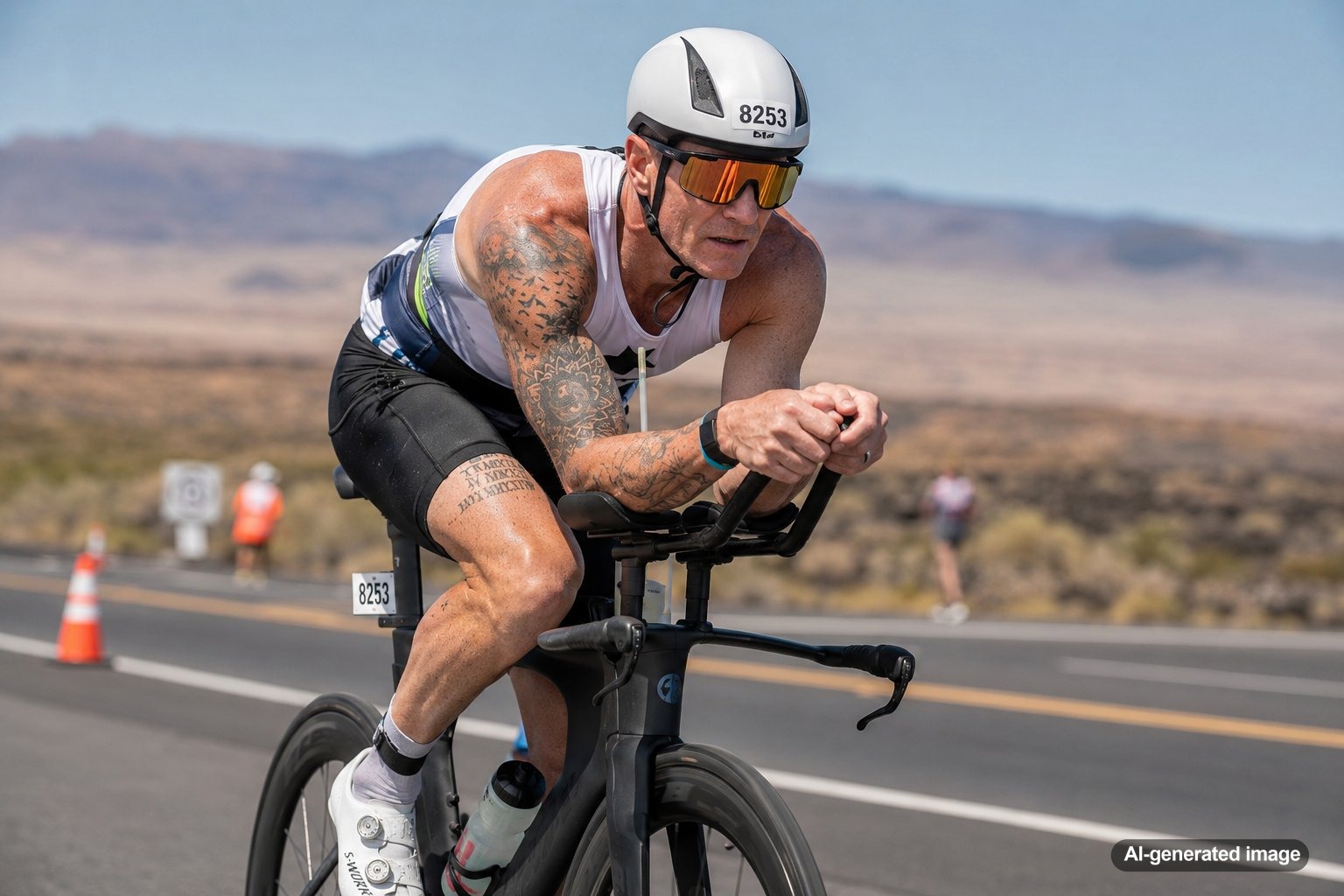
On paper, that looks simple. In real life, each section has its own personality. The swim can be crowded and chaotic. The bike can reward patience or punish overconfidence. The marathon is where the day becomes brutally honest. It is not just about who is fast. It is about who can keep making smart decisions when tired.
Why finish times vary so much
Two athletes can train hard, show up prepared, and still finish hours apart. Ironman is affected by variables that are not always obvious from a results sheet.
Course profile
A flat bike course can produce very different times than a hilly or windy one. A shaded run course feels different from an exposed one. Some swims are calm and fast, while others involve chop, currents, or congestion.
Weather
Heat, humidity, wind, and rain can change the entire race. Even strong athletes often slow down when conditions demand more caution. On a long day, restraint can be smarter than forcing a pace that will fall apart later.
Experience
First-time Ironman athletes often spend more time in transitions, ride more conservatively, and need to learn how their body responds after several hours of work. Veterans may not only be fitter. They may be calmer, more efficient, and better at solving small problems before they become big ones.
Fueling and hydration
An Ironman is not powered by grit alone. Athletes have to eat, drink, replace sodium as needed, and avoid getting too far behind. A nutrition mistake early in the bike can show up during the marathon. A steady plan can protect the second half of the day.
A realistic way to think about the day
Instead of thinking only in terms of a final finish time, it helps to think about the race as a sequence of checkpoints. The athlete has to get through the swim with enough composure to ride well. The bike has to be paced in a way that leaves something for the run. The marathon has to be managed mile by mile, especially when the goal is to finish strong rather than chase a risky split.
For many athletes, the biggest mistake is treating the bike like the finish line is at mile 112. It is not. The bike is the longest section, but the marathon still waits. The athletes who respect that reality often give themselves a better chance to finish with control.
What is a good Ironman finish time?
A good Ironman time depends on the athlete. For a professional, the standard is speed. For a competitive age-grouper, it may be a personal record, a podium, or a qualification goal. For a first-time athlete, a good time may simply mean crossing the finish line inside the cutoff with pride.
That does not make the goal smaller. It makes it honest. Finishing an Ironman is not less meaningful because the clock reads 16 hours instead of 11. The athlete still completed 140.6 miles. They still managed fear, fatigue, logistics, discomfort, and doubt. They still chose forward motion over stopping.
That is part of why Ironman connects so deeply with Greg’s broader message. Whether in endurance sports, leadership, family life, or living with Young-Onset Parkinson’s, progress often comes down to one manageable step at a time. The words behind the Forward Motion Fund capture it plainly: One More Step… Just One More.
What people often miss about Ironman finish times
The clock matters, but it does not tell the whole story. A finish time cannot show the weather, the cramps, the mechanical issue, the missed bottle, the panic in open water, the long months of training, or the moment an athlete had to decide whether to keep going.
It also cannot show the support system behind the athlete. Long-course racing affects families, partners, friends, coaches, and teammates. The finish line is often crowded with people who helped make the day possible, even if only one person crossed the timing mat.
That is one reason Ironman can be such a powerful metaphor without becoming a cliche. The race rewards preparation, but it also exposes character. It asks an athlete to stay present through discomfort. It makes patience practical. It turns resilience into something visible.
How should a first-timer approach the clock?
A first-time Ironman athlete should respect the clock without becoming obsessed with it. Cutoffs matter. Pacing matters. But the goal is not to win the race in the first few hours. The goal is to keep creating the conditions that make the finish possible.
That usually means swimming under control, riding with discipline, eating before hunger becomes a problem, staying cool when conditions are difficult, and breaking the marathon into smaller pieces. The athlete who can keep asking, what is the next right thing to do, often has a better day than the athlete who only stares at the finish time.
FAQ
How long is a full Ironman?
A full-distance Ironman is 140.6 miles total: a 2.4-mile swim, 112-mile bike ride, and 26.2-mile run.
Can beginners finish an Ironman?
Yes, many beginners finish an Ironman with appropriate training, coaching, medical clearance when needed, and realistic pacing. It is a serious endurance event, so preparation and respect for the distance are essential.
Is the marathon the hardest part?
For many athletes, yes. The marathon comes after hours of swimming and biking, so it is often less about pure running speed and more about pacing, fueling, mental control, and staying steady.
Does every Ironman have the same cutoff?
Many full-distance Ironman events use a 17-hour overall cutoff, but rules can vary by event and course. Athletes should always review the athlete guide for their specific race.
What matters more, speed or consistency?
For most age-group athletes, consistency matters more. A controlled, steady race can beat an aggressive start that leads to walking, cramping, or missed cutoffs later.
The bottom line
So, how long does it take to finish an Ironman? For many athletes, the answer is somewhere between 12 and 17 hours. For some, it is faster. For others, the victory is making the final cutoff with minutes to spare.
But the better answer is this: it takes months or years of preparation, a support system, humility, patience, and the willingness to keep moving when the day gets hard. The finish line is measured in hours, but the meaning is built one step at a time.
Interested in bringing Greg’s message to your event or organization?
Learn more about Greg’s speaking work or get in touch to start the conversation.
Contact Greg or learn more about the Forward Motion Fund.
This article is for educational purposes only and is not medical advice. For diagnosis, treatment, or personalized medical guidance, please speak with a qualified healthcare professional.