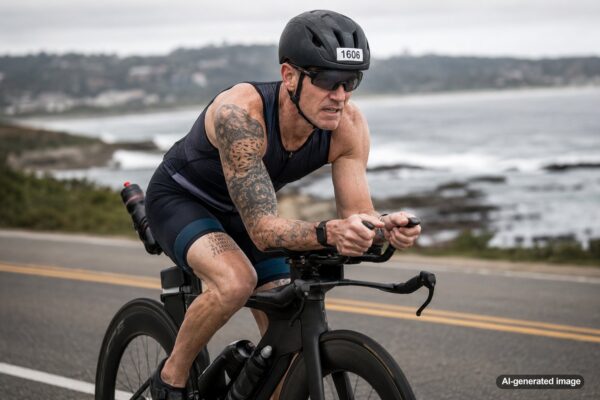

What Long Ride Days Teach You About Endurance
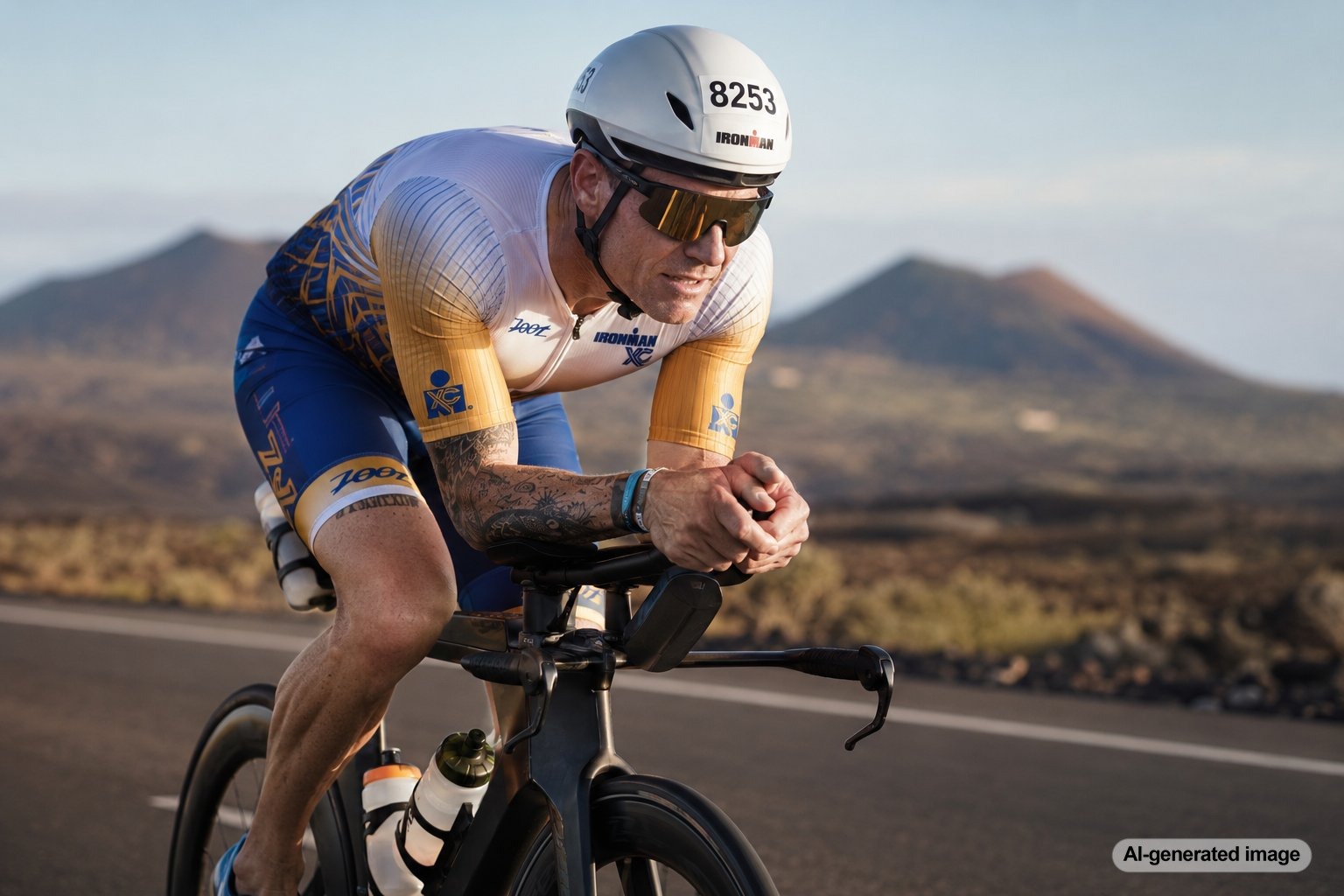
A long ride day has a way of telling the truth. Not loudly. Not dramatically. It teaches through repetition, weather, patience, small decisions, and the quiet space between one mile and the next. For anyone who has spent hours on a bike, the lesson is never only about fitness. It is about how you manage yourself when comfort is gone, when the finish is still far away, and when quitting would be easier than adjusting.
That is why endurance has always been about more than sport. For Greg Schaefer, the discipline of long-course racing connects naturally to leadership, family, business, adversity, advocacy, and forward motion. A long ride does not ask for perfection. It asks for another honest effort, then another, then one more. That rhythm sits at the center of Greg’s message and the work behind the Forward Motion Fund.
Quick answer: what long ride days teach you
- Pacing matters more than early excitement. The ride rewards people who manage effort instead of chasing every burst of energy.
- Small choices compound. Nutrition, hydration, posture, attention, and attitude all add up over time.
- Discomfort is information. It is not always a stop sign. Often, it is a signal to adjust, breathe, refocus, or simplify.
- Endurance is built in the middle. The most important work often happens after the novelty wears off and before the finish feels close.
- Forward motion can be humble. Some miles are strong. Some are stubborn. Both can count.
The first lesson is patience
On a long ride, starting too hard can feel harmless at first. The legs are fresh, the mood is high, and the road seems open. Hours later, those early decisions come due. Endurance teaches you to respect the whole distance, not just the energy you feel in the first stretch.
That lesson carries into almost every meaningful challenge. Building a business, leading a team, raising a family, returning from a difficult season, or training for an endurance event all require a different relationship with time. You cannot spend all your effort in the opening miles and expect the later miles to take care of themselves.
Patience is not passivity. It is disciplined restraint. It is the ability to keep something in reserve because you understand the road is longer than your first burst of motivation.
The second lesson is that the basics are never small
Long ride days make the basics impossible to ignore. A skipped bottle, a missed snack, a poor clothing choice, or a few miles of sloppy focus can change the entire day. Endurance has a way of exposing the details that looked optional when everything felt easy.
The same is true outside of sport. Sleep, preparation, communication, consistency, and recovery can sound simple until pressure rises. Then they become the foundation. High performers often do not win because they found one secret. They stay in the work because they respect the basics longer than most people want to.
This is one reason endurance sports can speak so clearly to leadership. Teams do not usually break from one dramatic failure. They drift when the small things stop mattering. Long ride days remind you that the small things are often where durability is built.
The third lesson is that discomfort needs interpretation
Every long ride includes some form of discomfort. Heavy legs, headwind, heat, boredom, doubt, a stiff back, a rough patch of road, or a stretch where the miles seem to slow down. The skill is not pretending discomfort is not there. The skill is learning what kind of discomfort you are dealing with.
Some discomfort means slow down. Some means fuel. Some means change position. Some means stop and reassess. Some simply means the ride has reached the honest part. Endurance does not reward people for ignoring every signal. It rewards people who can listen clearly without panicking.
That distinction matters. Resilience is not recklessness. It is not forcing your way through everything at any cost. Real endurance includes judgment. It includes humility. It includes knowing when to push, when to adjust, and when to ask for support.
The fourth lesson is that the middle is where identity gets tested
The beginning of a long ride has momentum. The end has relief. The middle is different. The middle is where the road can feel repetitive, where the goal is real but not yet close, and where the mind starts asking whether all of this is worth it.
That middle stretch is where endurance becomes personal. Anyone can be enthusiastic at the start. Many people can surge near the finish. The middle asks a quieter question: who are you when nobody is cheering, nothing feels dramatic, and the only task is to keep doing the next right thing?
For Greg’s broader message, this is a powerful idea. Forward motion is not always cinematic. It often looks like showing up again, making the next call, taking the next step, riding the next mile, or choosing not to let one hard season define the rest of the story.
The fifth lesson is that endurance is shared, even when the ride feels solitary
Cycling can look individual from the outside, but long ride days are rarely built alone. There are family members who protect training time, friends who check in, coaches who guide, teammates who understand the effort, and communities that make the work feel connected to something larger.
That support system matters because endurance is not only physical output. It is emotional, logistical, and relational. People who keep going for a long time usually have some deeper reason to stay in motion. Sometimes that reason is family. Sometimes it is purpose. Sometimes it is a cause, a promise, a mission, or a person who needs to see what perseverance can look like.
This is where endurance moves beyond a finish line. The ride becomes a place to practice the same qualities that matter in life: gratitude, discipline, perspective, steadiness, and the courage to continue with others in mind.
What people often miss about long ride days
People often think long rides are about toughness alone. Toughness helps, but it is not enough. The better word may be steadiness. Long ride days reward the athlete who can stay calm, make practical decisions, and keep returning to the present mile instead of arguing with the entire distance.
- You learn to solve small problems early. A small issue ignored for two hours can become the thing that defines the day.
- You learn that mood is temporary. A rough mile does not mean the whole ride is lost.
- You learn to respect recovery. Endurance is not only what you can absorb during the ride. It is also what you can rebuild afterward.
- You learn that purpose changes effort. When the ride connects to something bigger, the work feels different.
How this applies beyond the bike
The deeper value of a long ride day is that it gives you a physical model for hard things. It shows you that energy rises and falls. It shows you that preparation matters. It shows you that nobody is above the basics. It shows you that the next mile is often more useful than the perfect plan.
In business, that might look like leading through uncertainty without pretending to have every answer. In family life, it might look like staying present when the schedule is heavy and the emotions are real. In advocacy, it might look like turning personal adversity into service without letting the cause become a performance. In speaking, it might look like helping an audience understand resilience as something practical, not decorative.
That is the strength of Greg’s platform. It does not ask people to admire endurance from a distance. It invites them to understand endurance as a daily practice: keep moving, stay honest, accept support, and take one more step when the full road feels too large.
FAQ
Are long ride days only useful for athletes?
No. Athletes may experience the lesson physically, but the principles apply far beyond training. Pacing, preparation, patience, and resilience matter in leadership, family, business, caregiving, recovery, and personal growth.
What is the biggest mistake people make on long endurance days?
One common mistake is letting early energy make decisions for the whole day. Long efforts reward people who think beyond the first hour and respect the cost of small choices.
Does endurance mean pushing through everything?
No. Real endurance includes judgment. Sometimes the right move is to push. Sometimes it is to slow down, fuel, recover, ask for help, or adjust the plan. Endurance is not the same as ignoring warning signs.
Why does Greg connect endurance with resilience?
Because endurance provides a clear, lived example of moving through difficulty with discipline and purpose. Greg’s story brings together family, business leadership, Ironman racing, Parkinson’s advocacy, and the belief that forward motion can begin with one more step.
Interested in bringing Greg’s message to your event or organization?
Learn more about Greg’s speaking work or get in touch to start the conversation.
Contact Greg or learn more about the Forward Motion Fund.
This article is for educational purposes only and is not medical advice. For diagnosis, treatment, or personalized medical guidance, please speak with a qualified healthcare professional.