
How To Recover Like A Smarter Endurance Athlete
Smarter recovery is not about avoiding hard work. It is about making sure the work you complete can actually produce an adaptation. Endurance athletes often celebrate discipline, mileage, and the willingness to keep going, but progress also depends on knowing when to absorb the training instead of adding more stress.
For an athlete balancing long sessions, work, family, travel, and real-life responsibilities, recovery cannot be treated as an occasional luxury. It has to become part of the training plan. Greg Schaefer’s experience across endurance sports, business leadership, adversity, and family life reflects a central lesson: consistency is built by managing effort wisely, not by proving toughness every day. You can learn more about his broader journey on the About Greg page.
Quick answer
- Plan recovery with the same intention you use to plan workouts.
- Protect sleep, hydration, and regular meals before chasing complicated recovery tools.
- Separate normal training discomfort from signs that your body is not bouncing back.
- Adjust the next session based on current readiness, not pride or last week’s schedule.
- Measure recovery by whether you can train consistently over time, not by how inactive you can be for one day.
Recovery begins before the workout ends
Many athletes think recovery starts when they sit down after training. In reality, the quality of recovery is influenced by decisions made before and during the session.
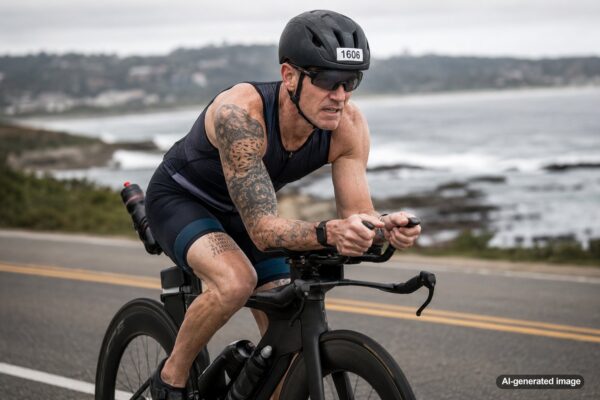
A long ride completed without enough fluid, fuel, or protection from extreme conditions creates a deeper hole to climb out of afterward. A hard run added to an already overloaded week may require more recovery than the same run performed when the athlete is rested. Even pacing matters. Turning every aerobic session into a moderate race effort can quietly accumulate fatigue without delivering the intended training benefit.
Smarter athletes ask more than, “Can I finish this workout?” They also ask, “Can I recover from this workout in time to complete the next important one well?” That question shifts training from isolated acts of toughness to a sustainable system.
Build the foundation before buying the extras
Recovery products can be useful, but they should not distract from the fundamentals. Compression equipment, massage devices, cold exposure, heat sessions, and supplements cannot fully compensate for chronically poor sleep, inconsistent eating, dehydration, or a schedule with no real margin.
A strong recovery foundation usually includes:
- Sleep: A regular routine, enough time in bed, and an environment that supports uninterrupted rest.
- Nutrition: Consistent meals and snacks that replace energy and support the next training demand.
- Hydration: Replacing fluids throughout the day rather than trying to catch up immediately before training.
- Low-stress movement: Easy walking, gentle mobility, or light spinning when those activities help the athlete feel better rather than adding fatigue.
- Schedule control: Reducing unnecessary stress around key training blocks and major races whenever possible.
The goal is not perfection. The goal is to prevent avoidable recovery problems from becoming normal.
Know the difference between soreness and poor recovery
Some heaviness, stiffness, and soreness can be expected after demanding endurance training. The more important question is whether those sensations are improving on a reasonable timeline and whether overall function is returning.
An athlete may need to reconsider the day’s plan when several warning signs appear together, such as unusually poor sleep, persistent irritability, a noticeable loss of motivation, elevated effort during an easy pace, declining coordination, soreness that is worsening instead of easing, or repeated difficulty completing routine sessions.
No single metric tells the entire story. A wearable score can offer context, but it should not override lived experience. Likewise, feeling emotionally motivated does not guarantee physical readiness. Smart recovery comes from combining available data with an honest assessment of how the body and mind are responding.
What endurance athletes often miss
Recovery is specific to the stress. A long technical trail run, a hot bike ride, a hard swim set, strength training, international travel, and a difficult week at work do not create identical demands. The best recovery response depends on what caused the fatigue.
Life stress counts. The body does not maintain separate accounting systems for training pressure, family responsibilities, work deadlines, disrupted sleep, and emotional strain. A workout that fits comfortably during a calm week may be too much during a difficult one.
More rest is not always better. Complete inactivity can leave some athletes feeling stiffer and flatter. When appropriate, gentle movement may support circulation, routine, and mental clarity without becoming another workout.
Use a recovery hierarchy
When fatigue builds, athletes often try to fix everything at once. A recovery hierarchy makes decisions simpler.
First, protect the essentials
Prioritize sleep opportunity, regular food, hydration, and reduced nonessential stress. These actions are not exciting, but they have the widest impact.
Second, modify training intelligently
A modification does not always require skipping the entire session. Depending on the situation, an athlete might reduce duration, lower intensity, change terrain, replace running with easy cycling, remove intervals, or move the workout to another day.
The key is preserving the purpose of the week. Sacrificing one low-priority session may protect a key workout, a family commitment, or the athlete’s ability to train consistently next month.
Third, add optional recovery tools
Once the basics are covered, an athlete can use massage, compression, mobility work, heat, cold, or other preferred methods based on comfort, professional guidance, and personal response. These tools should support the plan, not become another source of pressure.
Recover from the whole training block, not just one session
Endurance progress is created across weeks and months. That means recovery should be evaluated at several levels:
- Between intervals: Enough recovery to complete the planned quality without turning the workout into survival.
- Between daily sessions: Fueling, hydration, and downtime that support the next training demand.
- Across the week: Easier days positioned around long or intense sessions.
- Across a training block: Reduced volume or intensity before fatigue becomes unmanageable.
- After a race: A gradual return based on the event, the athlete’s condition, and the demands of life after the finish line.
This broader view prevents a common mistake: recovering just enough to force the next workout while never becoming fully ready to train well.
Do not let identity make the decision
Endurance athletes often build powerful identities around discipline and reliability. That can be a strength, but it can also make recovery feel like weakness.
The smarter standard is not whether you completed every line of the plan. It is whether your decisions support the larger mission. There are moments when showing up means doing the hard session. There are also moments when showing up means choosing restraint, communicating honestly with a coach, seeking professional support, or giving the body another day.
That kind of judgment is especially important for athletes navigating health changes, injury histories, work demands, caregiving, or other realities that make rigid training plans unrealistic. Forward motion is not always fast motion. Sometimes it is the decision that keeps the next step available.
Create a simple post-session review
After meaningful workouts, take two minutes to record a few observations:
- What was the intended purpose of the session?
- Did the effort match that purpose?
- How did fueling and hydration go?
- Did any discomfort change mechanics or concentration?
- What does the next 24 to 48 hours require?
This creates a practical feedback loop. Over time, patterns become easier to recognize. An athlete may notice that late workouts disrupt sleep, that certain fueling gaps lead to next-day fatigue, or that work travel consistently changes pacing and recovery needs.
The value is not in collecting endless data. It is in using a small amount of relevant information to make better decisions.
Frequently asked questions
Should endurance athletes take complete rest days?
Complete rest days can be useful, but the right frequency varies by athlete, training phase, health status, and life demands. Some athletes benefit from full rest, while others feel better with very light movement. The activity should restore readiness rather than create additional training stress.
How can I tell whether I need an easier day?
Look for patterns rather than relying on one feeling or device score. Poor sleep, worsening soreness, unusual irritability, declining performance, heavy legs at easy effort, and reduced motivation may signal that the planned session should be adjusted. Persistent or concerning symptoms should be discussed with a qualified healthcare professional.
Is soreness a sign that a workout was effective?
Not necessarily. Soreness can follow unfamiliar or demanding activity, but it is not a reliable measure of workout quality. Effective endurance training is better judged by whether the session served its purpose and whether the athlete can continue training consistently.
What is the most important recovery tool?
There is no single tool for every athlete, but sleep, nutrition, hydration, and sensible workload management provide the foundation. Other methods are most useful when they complement those basics.
How should recovery change after a major race?
Recovery should reflect the event’s duration, intensity, conditions, travel demands, and the athlete’s physical response. A gradual return is usually more useful than rushing to prove fitness. Athletes with pain, significant symptoms, or medical concerns should seek personalized guidance.
The bottom line
Recovering like a smarter endurance athlete means respecting the connection between today’s choices and tomorrow’s capacity. It requires enough confidence to work hard and enough perspective to adjust when the larger goal demands it.
The strongest athletes are not simply the ones who tolerate the most discomfort. They are the ones who learn, adapt, communicate, and keep building. That mindset also shapes Greg’s work with organizations and teams. Explore his speaking programs to learn how endurance, leadership, adversity, and forward motion can become practical lessons beyond the race course.
Interested in bringing Greg’s message to your event or organization?
Learn more about Greg’s speaking work or get in touch to start the conversation.
Contact Greg or learn more about the Forward Motion Fund.
This article is for educational purposes only and is not medical advice. For diagnosis, treatment, or personalized medical guidance, please speak with a qualified healthcare professional.