

Why Some of the Toughest Races Have Nothing to Do With Finish Times
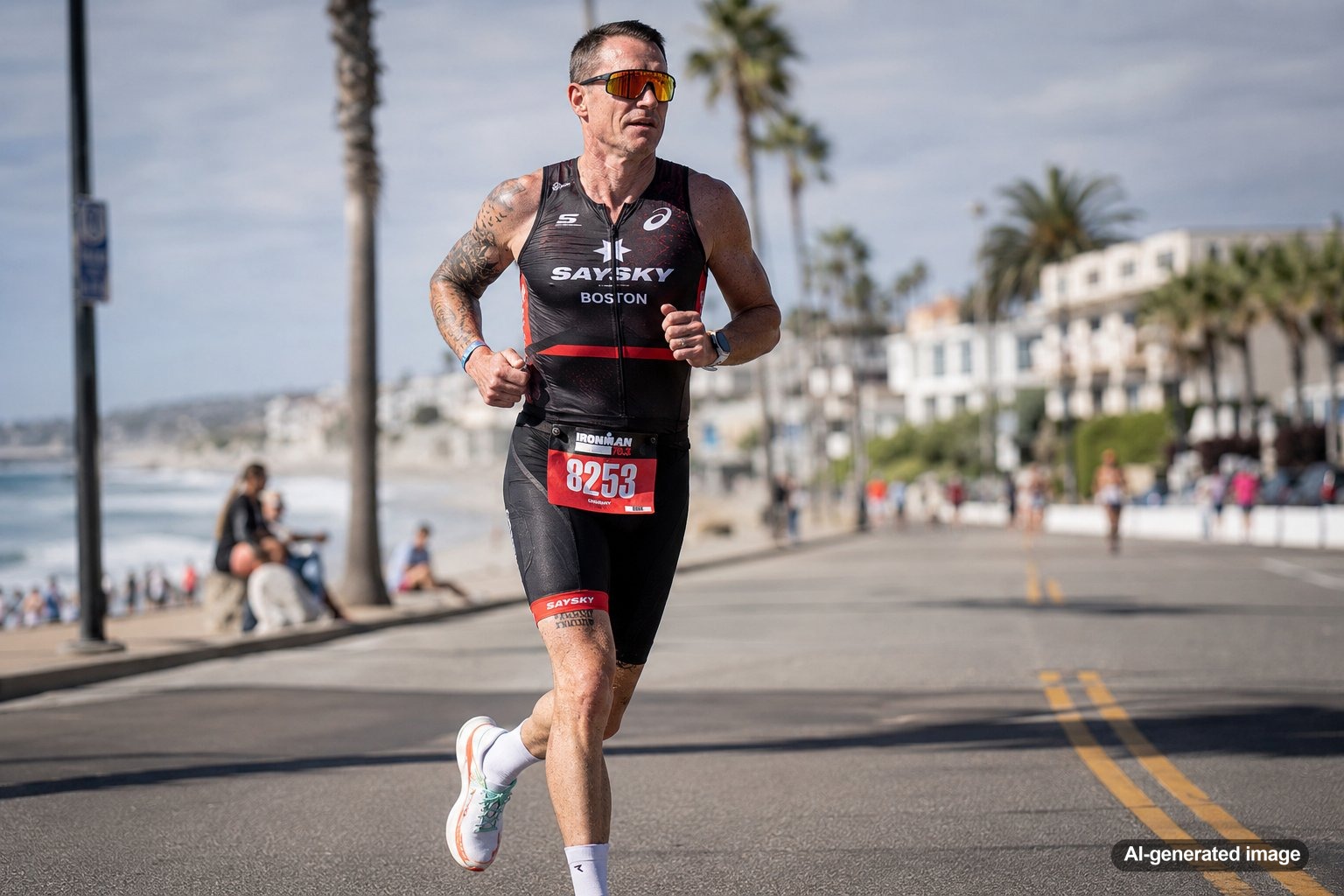
Some races are easy to measure. There is a start line, a course map, a finish chute, and a clock that tells the story in numbers. You can compare splits, review pacing, and decide whether the day went according to plan.
Other races are harder to see. They happen in doctor’s offices, family conversations, business decisions, training sessions that no one watches, and quiet moments when a person has to decide whether to keep showing up. Those races may never come with a medal, but they can reveal more about courage than any finish time ever could. For Greg Schaefer, the meaning of endurance has never belonged only to competition. It lives in family, leadership, advocacy, purpose, and the daily decision to take one more step.
Quick answer
- The toughest races are not always physical. Many are emotional, personal, relational, or identity-shaping.
- A finish time can measure performance, but it cannot measure fear, patience, grief, loyalty, discipline, or quiet resilience.
- Some races require strength without an audience, progress without applause, and courage without certainty.
- The deeper lesson is not that every challenge becomes easy. It is that forward motion still matters when the outcome is unknown.
The clock only tells part of the story
In endurance sports, time matters. It gives structure to training, creates accountability, and helps athletes understand what happened on race day. A clock can show whether someone held pace, faded late, managed nutrition well, or pushed through the final miles.
But the clock is not the whole truth. It does not know what the athlete carried to the start line. It does not measure the year behind the race, the injury that almost ended the season, the fear that had to be managed, or the family sacrifices that made the day possible. It cannot tell whether the person crossing the line is rebuilding confidence, honoring someone they love, proving something private, or simply refusing to let hardship have the final word.
That is why some of the toughest races have very little to do with speed. They are about staying honest with yourself when the path changes. They are about learning how to continue when your old definition of success no longer fits.
The hardest race may be accepting a new reality
There are moments in life when the course changes without asking permission. A diagnosis. A loss. A business setback. A family crisis. A body that does not respond the way it used to. A season when plans that once felt certain suddenly feel fragile.
In those moments, the race is not about beating someone else. It is about facing what is true without letting it erase everything else that is also true. A person can be scared and still be strong. They can need support and still be capable. They can grieve an old version of life while building a new one with dignity and purpose.
This kind of race can be especially difficult because there is no clean finish line. No announcer declares that the hard part is over. Progress may look like making the appointment, having the conversation, asking for help, returning to movement, or getting through a difficult day without pretending it was easy.
Some races are fought in private
Public accomplishments often get the most attention because they are visible. A race result can be posted. A finish photo can be shared. A keynote can be applauded. A business milestone can be announced.
Private endurance is different. It may look like a parent staying present while carrying stress they have not fully named. It may look like a leader making a hard decision that protects a team. It may look like an athlete training with humility after losing confidence. It may look like a partner, caregiver, friend, or family member choosing patience again and again.
These races matter because character is often built before anyone notices. The discipline to keep going is not always dramatic. Sometimes it is ordinary, repetitive, and deeply human. It is the decision to keep faith with your responsibilities, your people, and your purpose when the easy version of the story is gone.
Finish times cannot measure who helped you get there
Endurance is often described as individual effort, but no meaningful race is truly solo. Behind many finish lines is a network of people who made the effort possible: spouses, children, friends, coaches, doctors, colleagues, volunteers, donors, and communities that offer encouragement when motivation thins out.
One overlooked part of resilience is the courage to let support matter. Strong people are not strong because they need no one. They are strong because they learn how to keep moving while staying connected to the people who love them, challenge them, and help them remain grounded.
This is also where mission becomes powerful. When a race is connected to something larger than personal achievement, the meaning changes. The miles can become a way to raise awareness, invite conversation, support research, encourage families, or remind others that they are not alone. That spirit is central to the Forward Motion Fund and the belief that one more step can carry impact beyond the individual.
The toughest races ask better questions
A finish time asks, “How fast did you go?” Life’s harder races ask deeper questions.
- Who are you when the plan changes?
- What remains steady when confidence is shaken?
- How do you lead when you are also learning?
- Who do you let into the struggle?
- What purpose is strong enough to keep you moving?
Those questions do not always produce neat answers. They often require time, humility, and repeated effort. But they can also lead to a stronger kind of identity. Not the identity built only on outcomes, applause, or peak performance, but the identity built on values that can survive difficult terrain.
What people often miss about resilience
Resilience is not the absence of difficulty. It is the practice of staying engaged with life when difficulty becomes part of the course.
Real resilience is rarely loud. It is not pretending that pain is inspiring. It is not turning every hardship into a slogan. It is more grounded than that. It is making room for uncertainty while still choosing responsibility, movement, connection, and hope.
For athletes, leaders, families, and anyone facing a season they did not choose, this matters. The goal is not to deny the hard parts. The goal is to keep the hard parts from becoming the whole story.
Practical lessons from races that are not about time
There are a few lessons that carry from endurance sports into the rest of life.
Start where you are, not where you wish you were
Athletes learn quickly that denial is not a training strategy. The same is true in life. Honest progress begins with the real starting line: the current body, the current facts, the current responsibilities, the current fear, and the current support system.
Break the distance down
The full road can feel overwhelming. One more mile, one more conversation, one more appointment, one more day, or one more step can make the challenge possible. Small movement is not small when it keeps you from stopping completely.
Let purpose carry what motivation cannot
Motivation rises and falls. Purpose has deeper roots. When the race becomes difficult, purpose can remind a person why the effort still matters, especially when the reward is not immediate.
Respect the invisible work
Recovery, patience, mindset, family communication, and asking for help may not look impressive from the outside. They are still part of the race. In many seasons, they are the race.
FAQ
Why are some life challenges compared to races?
The race comparison works because both endurance events and major life challenges require pacing, patience, support, adjustment, and the will to keep moving when the path becomes difficult. The comparison is not about making hardship sound simple. It is about recognizing the discipline and courage required to continue.
Does resilience mean staying positive all the time?
No. Resilience does not require constant positivity. It can include frustration, fear, sadness, uncertainty, and fatigue. A more useful definition is the ability to remain engaged with what matters, even when the situation is hard.
Why can a slower race still be meaningful?
A slower race may represent a bigger victory than an earlier personal best if the person had to overcome illness, injury, grief, fear, or a major life transition to reach the start line. Meaning is not always visible in the final time.
How can leaders use this lesson with their teams?
Leaders can remember that performance numbers rarely tell the full human story. Strong leadership includes accountability, but it also includes context, empathy, clear communication, and the ability to help people keep moving through uncertainty.
What is the main takeaway?
The main takeaway is that some races are measured less by speed and more by courage. The finish time may matter, but it is not always the deepest measure of what someone has endured, learned, or chosen to carry forward.
Interested in bringing Greg’s message to your event or organization?
Learn more about Greg’s speaking work or get in touch to start the conversation.
Contact Greg or learn more about the Forward Motion Fund.
This article is for educational purposes only and is not medical advice. For diagnosis, treatment, or personalized medical guidance, please speak with a qualified healthcare professional.


