
Why Aero Bars Teach A Different Kind Of Mental Toughness
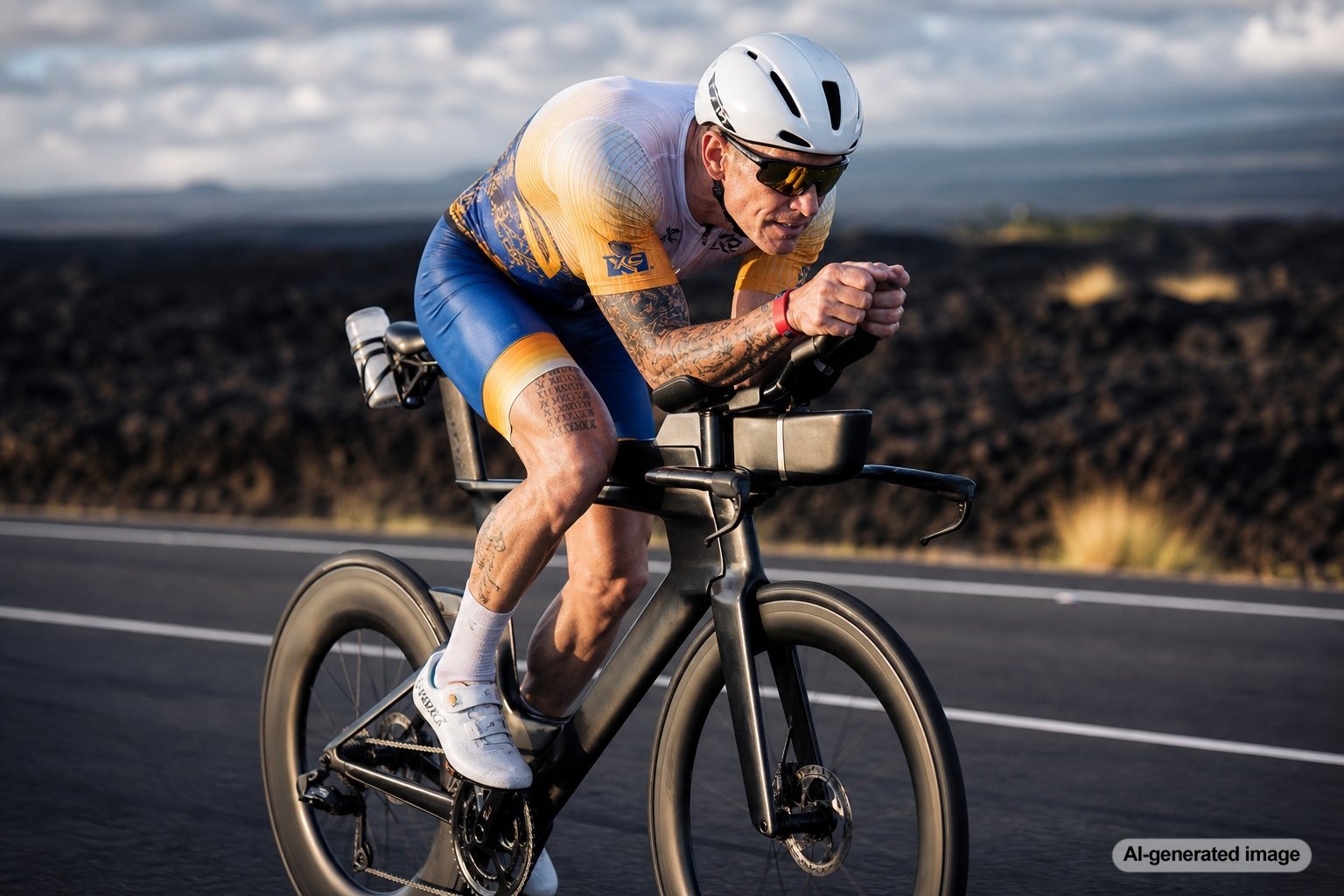
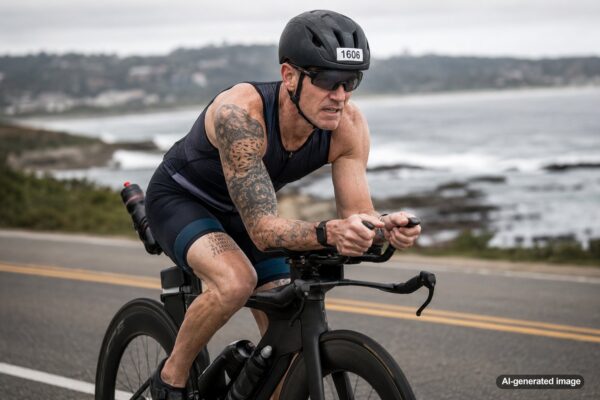
Aero bars look simple from the outside. The athlete lowers the body, rests the forearms, narrows the profile, and rides forward. But anyone who has spent real time in that position knows the lesson is not only about speed. Aero bars teach a different kind of mental toughness because they ask for patience, restraint, body awareness, and the willingness to stay composed when comfort starts negotiating with discipline.
For an endurance athlete, the aero position is not just a technical choice. It is a quiet test. It rewards the person who can stay steady without constant stimulation, who can tolerate small discomforts without turning them into drama, and who can keep making smart decisions even when the road feels long. That kind of toughness is deeply connected to the message behind Greg Schaefer’s story: forward motion is often built one disciplined decision at a time.
Quick answer
- Aero bars teach mental toughness by forcing an athlete to stay calm, patient, and efficient while managing discomfort.
- The aero position rewards discipline over emotion because small movements, overreactions, and wasted energy can add up quickly.
- Riding in aero requires trust: trust in training, pacing, body position, and the decision to stay committed.
- The lesson goes beyond triathlon. It applies to leadership, adversity, business, family, and any season where progress is uncomfortable but necessary.
The toughness of staying still while moving fast
Most people think of mental toughness as intensity. They imagine grit as loud, forceful, and visible. Aero bars teach almost the opposite. They teach the toughness of staying still while the world moves around you.
In the aero position, extra movement has a cost. Sitting up too often, shifting unnecessarily, fighting the bike, or constantly checking for relief can break rhythm. The athlete has to learn how to stay settled. Not frozen, not rigid, but composed. There is a difference.
That is one of the overlooked lessons of endurance sport. Sometimes strength is not about pushing harder in a dramatic way. Sometimes strength is the ability to stay with the work when nothing exciting is happening. No crowd. No finish line in sight. No emotional surge. Just breath, road, position, and the next small decision.
Aero bars expose the conversation between comfort and commitment
The aero position can feel efficient and uncomfortable at the same time. That tension is where the lesson lives. Your body may want a break. Your mind may start bargaining. Sit up for a few seconds. Shift again. Break the position. Ease off. Maybe it will not matter.
Sometimes it is smart to adjust. Mental toughness is not stubbornness. Athletes need to listen to the body, protect safety, and make wise choices. But aero bars reveal how quickly discomfort can become a story. A small ache becomes frustration. A long stretch of road becomes doubt. A headwind becomes personal.
Learning to ride well in aero means learning to separate signal from noise. Is this a meaningful warning, or is it ordinary discomfort? Is this a problem that needs action, or is it a moment that needs patience? That distinction matters in racing, and it matters in life.
The position rewards calm decision-making
Riding in aero is not passive. It takes attention. The athlete has to monitor cadence, effort, terrain, hydration, nutrition, traffic, wind, and the race plan. But the best decisions often come from a calm mind, not a frantic one.
That is why aero bars are such a strong metaphor for leadership and adversity. In business, family life, and personal challenge, pressure often tempts people to overcorrect. They react to every bump. They waste energy proving they are working hard. They confuse motion with progress.
Aero position teaches a cleaner discipline: hold the line, adjust when needed, and do not let temporary discomfort make permanent decisions for you.
What aero bars teach that people often miss
Aero bars are usually discussed in terms of aerodynamics, bike fit, and speed. Those things matter. But the mental side deserves attention too, especially for athletes who are learning how to stay strong across long distances.
- Efficiency is emotional as much as physical. Wasted energy often begins in the mind before it shows up in the body.
- Discomfort does not always require drama. Some discomfort needs adjustment. Some needs acceptance. Experience helps you learn the difference.
- Focus is built in quiet sections. The long, steady miles often teach more about resilience than the dramatic moments near the finish.
- Confidence grows through repetition. The position becomes less intimidating when the athlete has practiced it in real conditions, not just imagined it on race day.
The difference between forcing and settling
One of the most important lessons aero bars teach is the difference between forcing a position and settling into one. Forcing is tense. Settling is disciplined. Forcing burns energy through resistance. Settling uses awareness, breathing, and patience to make the position sustainable.
That lesson travels far beyond a bike course. Many people face seasons where life asks them to hold an uncomfortable position: a difficult diagnosis, a demanding business chapter, a family challenge, a long recovery, a hard conversation, or a goal that requires more time than expected. The answer is not always to fight harder. Sometimes the answer is to settle into the next right step.
That is the heart of forward motion. Not pretending the road is easy. Not turning struggle into a slogan. Just continuing with purpose when the easy option would be to quit, drift, or sit up too soon.
How this connects to resilience
Resilience is often misunderstood as a personality trait. In reality, it is frequently practiced through small choices. The choice to stay present. The choice to breathe before reacting. The choice to keep form when fatigue wants chaos. The choice to ask for support when support is needed.
For Greg Schaefer, endurance sports, business leadership, family, speaking, advocacy, and life with Young-Onset Parkinson’s all sit inside a larger message: resilience is not about being untouched by hardship. It is about continuing to move with honesty, discipline, and purpose. That message is central to his work as a speaker and to the mission behind the Forward Motion Fund.
Practical takeaways from the aero position
The next time you see an athlete riding in aero, look past the equipment. There is a mental practice happening there. The athlete is learning how to conserve energy, tolerate discomfort, make calm decisions, and stay committed to a line that may not feel easy in the moment.
For athletes, that means training the position before race day. For leaders, it means building steadiness before crisis. For anyone facing adversity, it means understanding that toughness is not always loud. Sometimes toughness is quiet, technical, patient, and deeply personal.
Bottom line
Aero bars teach a different kind of mental toughness because they reward composure over theatrics. They ask the athlete to stay low, stay focused, stay aware, and keep choosing forward motion even when comfort starts making its case.
FAQ
Why are aero bars mentally challenging?
Aero bars can be mentally challenging because they require an athlete to stay focused and composed in a position that may become uncomfortable over time. The challenge is not only physical. It is also about patience, pacing, and emotional control.
Do aero bars make you tougher as an athlete?
They can help develop a specific kind of toughness when used appropriately in training. The athlete learns how to manage discomfort, hold form, and stay committed without wasting energy through constant movement or frustration.
Is mental toughness the same as ignoring discomfort?
No. Real mental toughness includes judgment. Athletes should pay attention to pain, safety, bike fit, and changing conditions. The skill is learning when to adjust and when to stay steady.
How does this lesson apply outside endurance sports?
The same principle applies to leadership, family, health challenges, and personal growth. Many meaningful goals require people to stay calm and disciplined through uncomfortable stretches where progress is not immediately visible.
Interested in bringing Greg’s message to your event or organization?
Learn more about Greg’s speaking work or get in touch to start the conversation.
Contact Greg or learn more about the Forward Motion Fund.
This article is for educational purposes only and is not medical advice. For diagnosis, treatment, or personalized medical guidance, please speak with a qualified healthcare professional.