

Managing Hydration and Electrolytes in Extreme Heat
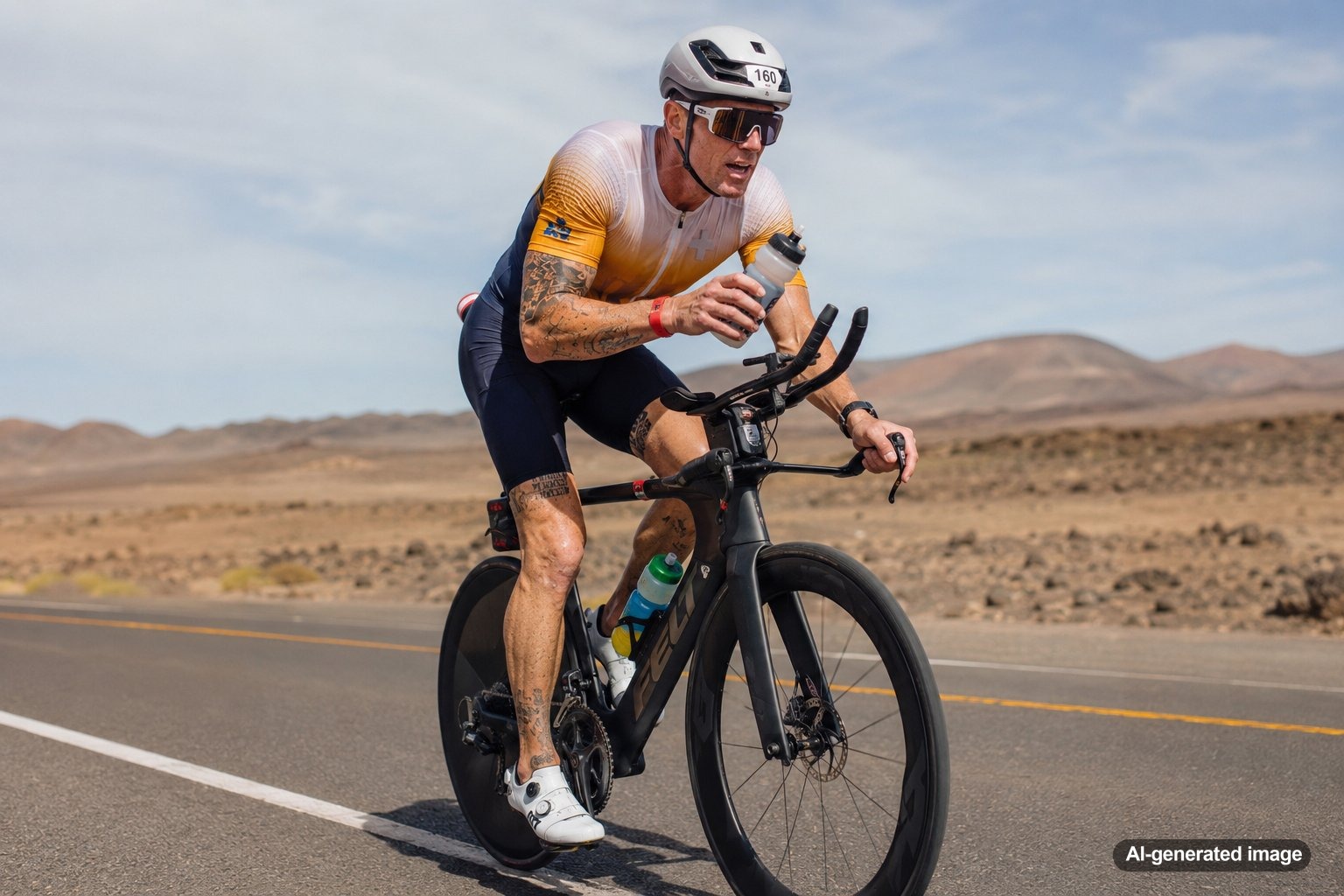
Extreme heat changes the equation. A pace that feels comfortable in cool weather can become costly when the body is fighting to stay cool, sweat rates climb, and decision-making gets clouded by fatigue. Hydration is not just about drinking more water. It is about paying attention to fluid, sodium, effort, timing, and the warning signs that tell you the body is under strain.
For endurance athletes, outdoor workers, active families, and anyone trying to keep moving through hard conditions, the goal is not perfection. The goal is preparation. Greg Schaefer’s story has always carried a clear message of forward motion, but forward motion also requires respect for the environment you are moving through. You can learn more about that broader mission through the About Greg page and the Forward Motion Fund.
Quick answer
- Start hydrated, not overloaded. Going into heat already behind on fluids makes the day harder, but forcing excessive water can create its own risks.
- Electrolytes matter most when sweat loss is high. Long duration, heavy sweating, salty sweat, and repeated hot days increase the need to think beyond plain water.
- Pace and effort are part of hydration strategy. Slowing down early can reduce heat strain and help fluids actually support performance.
- Watch for red flags. Confusion, dizziness, chills, stopped sweating, severe weakness, or worsening symptoms deserve immediate attention.
- Personal factors matter. Fitness, body size, medications, medical conditions, heat acclimation, and sweat rate can all change what someone needs.
Why extreme heat makes hydration more complicated
In cooler conditions, hydration can feel fairly simple: drink when needed, fuel appropriately, and keep moving. In extreme heat, the body is managing more demands at once. Blood flow helps working muscles perform, but it also helps move heat toward the skin so the body can cool itself. Sweat helps cooling, but sweat also carries fluid and electrolytes out of the body.
When the conditions are hot and humid, sweat may not evaporate efficiently. That means the body can lose fluid without getting the same cooling benefit. A person may keep drinking and still feel overheated because hydration is only one piece of the heat-management puzzle.
This is where many athletes make a subtle mistake. They treat heat like a fueling problem only, when it is also an effort, pacing, clothing, timing, and recovery problem. The smartest plan usually combines fluid intake with shade, cooling, adjusted pace, and honest self-checks.
Water is essential, but more is not always better
Water supports circulation, sweating, temperature control, digestion, and basic physical function. In hot conditions, dehydration can build faster than expected, especially during long runs, rides, races, hikes, or outdoor events. Dry mouth, dark urine, headache, lightheadedness, unusual fatigue, and rising perceived effort can all be signs that fluid needs attention.
Still, the answer is not to drink as much water as possible. Overdrinking plain water without enough sodium can dilute blood sodium levels, which can become dangerous. This is one reason endurance athletes are often encouraged to build a practical hydration plan rather than relying on panic drinking late in the day.
A useful approach is to begin activity well hydrated, drink steadily during longer exposure, and avoid extreme swings. For many people, thirst is a helpful guide during normal activity. During long events, very hot conditions, or situations where sweat loss is unusually high, a more structured plan may be needed.
Where electrolytes fit in
Electrolytes are minerals that help support fluid balance, nerve signaling, and muscle function. Sodium is usually the main electrolyte of concern in heavy sweating because it is lost in sweat and helps the body retain and distribute fluid. Potassium, magnesium, calcium, and chloride also matter, but sodium often gets the most attention during long, hot efforts.
Electrolyte needs vary widely. Some people finish a workout with white salt marks on clothing or skin. Some cramp often, although cramps can have multiple causes. Some lose large amounts of fluid quickly. Others sweat less or tolerate heat differently. There is no single electrolyte number that fits everyone.
For shorter, easy efforts, water and normal meals may be enough. For longer training sessions, endurance races, heavy sweat days, or repeated exposure to heat, electrolyte drinks, salty foods, capsules, or other planned sources may be useful. Anyone with high blood pressure, kidney disease, heart disease, Parkinson’s, medication considerations, or other health concerns should speak with a qualified healthcare professional before making major changes to sodium or fluid intake.
Practical takeaways for training or racing in extreme heat
1. Practice before the big day. Race day is not the time to discover that a certain drink causes stomach problems or that a sodium capsule feels too harsh. Test hydration and electrolyte choices during training in similar conditions.
2. Respect the first hour. Many heat problems begin when someone goes out at a normal pace in abnormal weather. Starting slightly easier can protect the rest of the effort.
3. Build a plan around duration. A 30-minute walk, a two-hour ride, and a full-day endurance event do not require the same strategy. Longer exposure usually requires more attention to both fluids and electrolytes.
4. Use cooling as part of the system. Ice, shade, cold towels, lighter clothing, water over the head, and reduced sun exposure can lower strain. Cooling is not a sign of weakness. It is smart heat management.
5. Pay attention after the effort. Recovery matters. Replacing fluids, eating a balanced meal, cooling down, and monitoring symptoms can help the body rebound after high heat exposure.
What people often miss
Heat stress is cumulative. One hot workout may be manageable, but several hot days in a row can leave the body more depleted than expected. Travel, poor sleep, alcohol, illness, medications, stress, and inadequate recovery can all make heat feel harder.
Another overlooked issue is humility. Extreme heat has a way of punishing stubbornness. The disciplined choice may be to slow down, shorten the session, move indoors, change the route, start earlier, or stop. For an endurance-minded person, that can feel frustrating. In reality, it is part of staying in the game long enough to keep moving forward.
Warning signs that deserve attention
Heat-related illness can escalate. Warning signs may include dizziness, fainting, confusion, nausea, vomiting, headache, chills, goosebumps, unusual weakness, rapid heartbeat, muscle cramps, or a feeling that something is not right. A very high body temperature, altered mental state, or collapse can signal a medical emergency.
If symptoms are concerning, stop activity, move to a cooler place, begin cooling measures, and seek medical help. In severe situations, call emergency services. No finish line, training plan, or personal goal is worth ignoring serious heat symptoms.
FAQ
Should I drink before I feel thirsty?
During normal daily activity, thirst is often a useful signal. During prolonged exercise, extreme heat, or heavy sweating, waiting too long can put you behind. A steady, practiced plan can help, especially for endurance events.
Do I always need electrolytes in hot weather?
Not always. Short, light activity may not require anything beyond water and normal meals. Longer sessions, heavy sweating, salty sweat, or repeated hot days make electrolytes more relevant.
Can too much water be dangerous?
Yes. Drinking excessive amounts of plain water without enough sodium can contribute to low blood sodium, which can be serious. Balance matters.
What is the best electrolyte product?
The best option is the one that fits the person, the effort, the conditions, and the stomach. Some people do well with sports drinks. Others prefer capsules, powders, or salty foods. Testing in training is important.
How should someone with a medical condition approach heat and hydration?
They should be more cautious and speak with a qualified healthcare professional for personalized guidance. Medications, neurological conditions, heart or kidney issues, and other factors can change heat tolerance and fluid needs.
Interested in bringing Greg’s message to your event or organization?
Learn more about Greg’s speaking work or get in touch to start the conversation.
Contact Greg or learn more about the Forward Motion Fund.
This article is for educational purposes only and is not medical advice. For diagnosis, treatment, or personalized medical guidance, please speak with a qualified healthcare professional.


